
Mohs Surgery in Birmingham
The highest cure rate for selected skin cancers, with same-day margin checking

Quick Facts about Mohs Surgery

Best for
BCC & SCC skin cancers
Anaesthetic
Local anaesthetic

Duration
3-6 hours
Recovery
1-2 weeks
Consultant
Dermatologist
Price
See below
What is Mohs surgery?
Being given a diagnosis of skin cancer can be daunting. Mohs surgery is a technique of removing skin cancers layer by layer and checking roots under the microscope as you go. It offers the highest published cure rates for selected skin cancers, while preserving as much healthy skin as possible. This is especially important for tumours on the face.
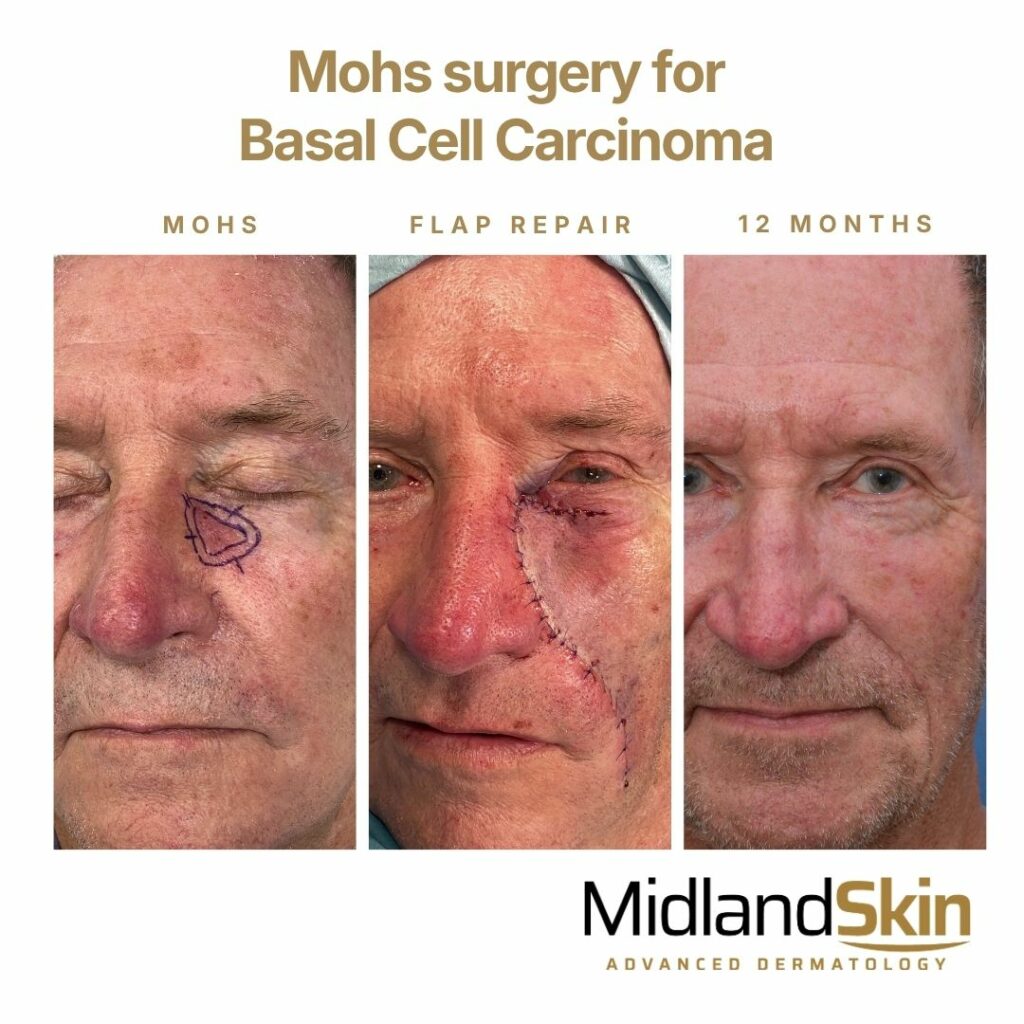
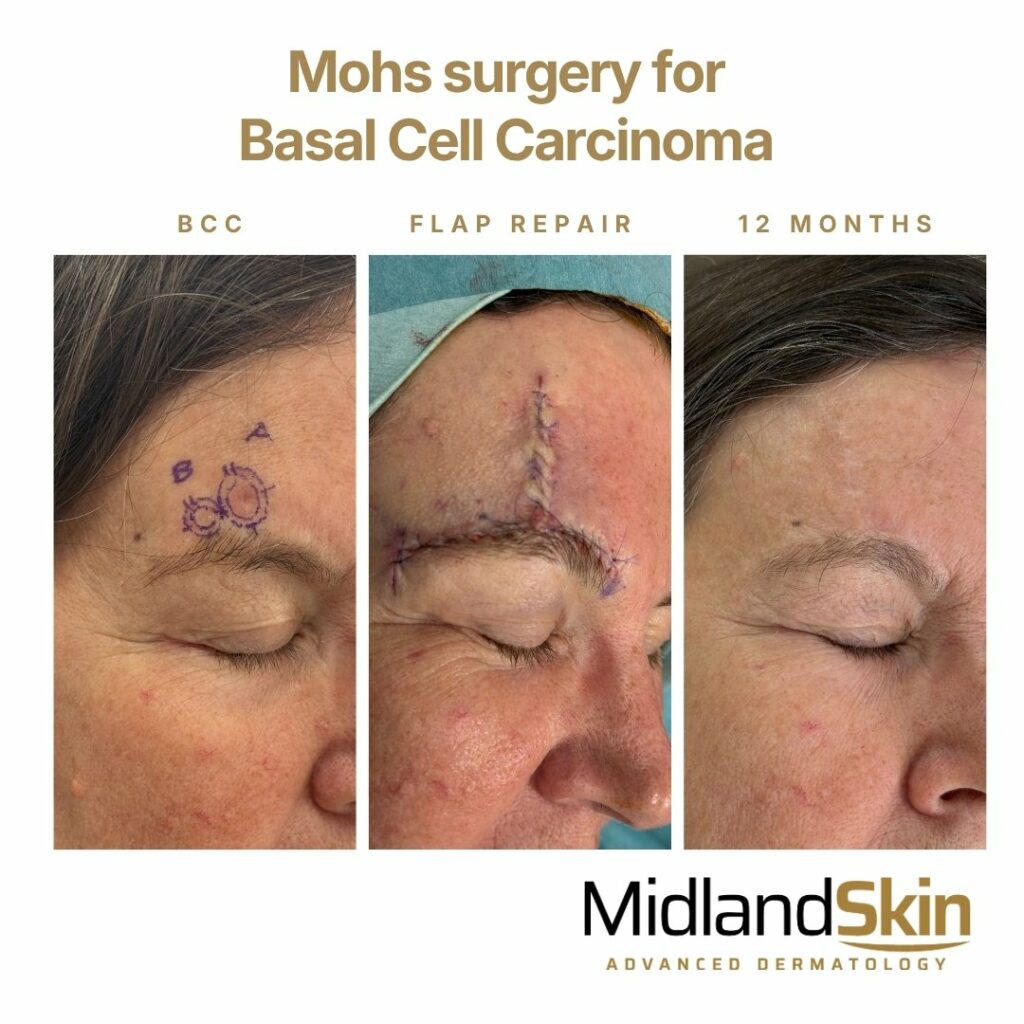
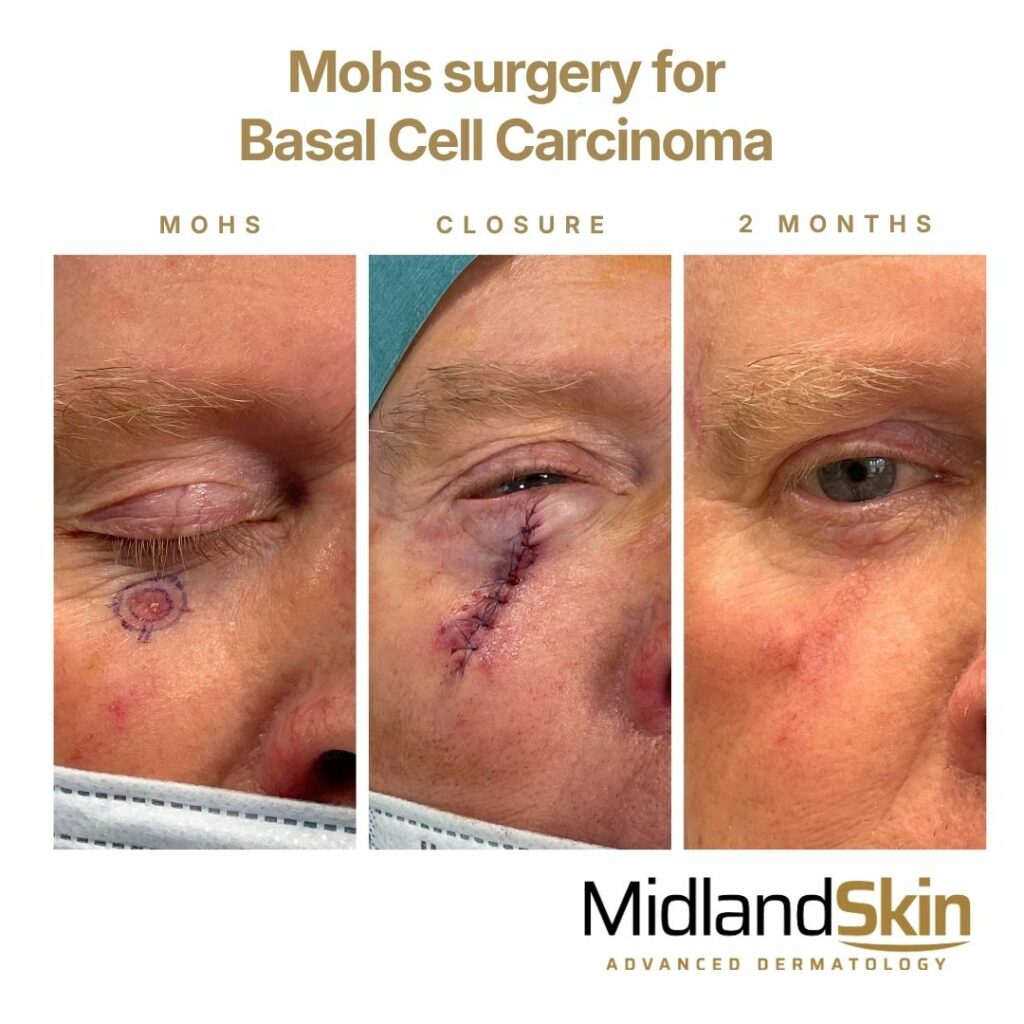
Before and after pictures of Mohs surgery
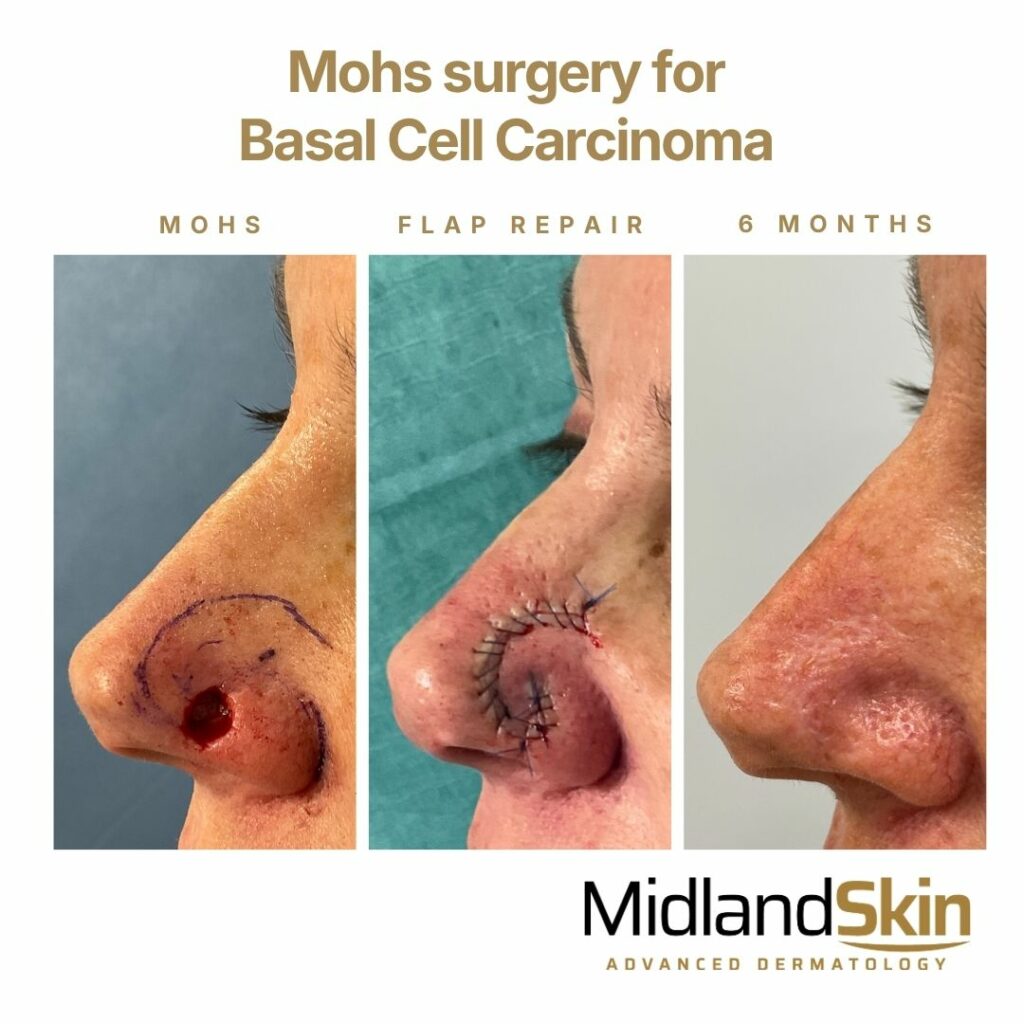
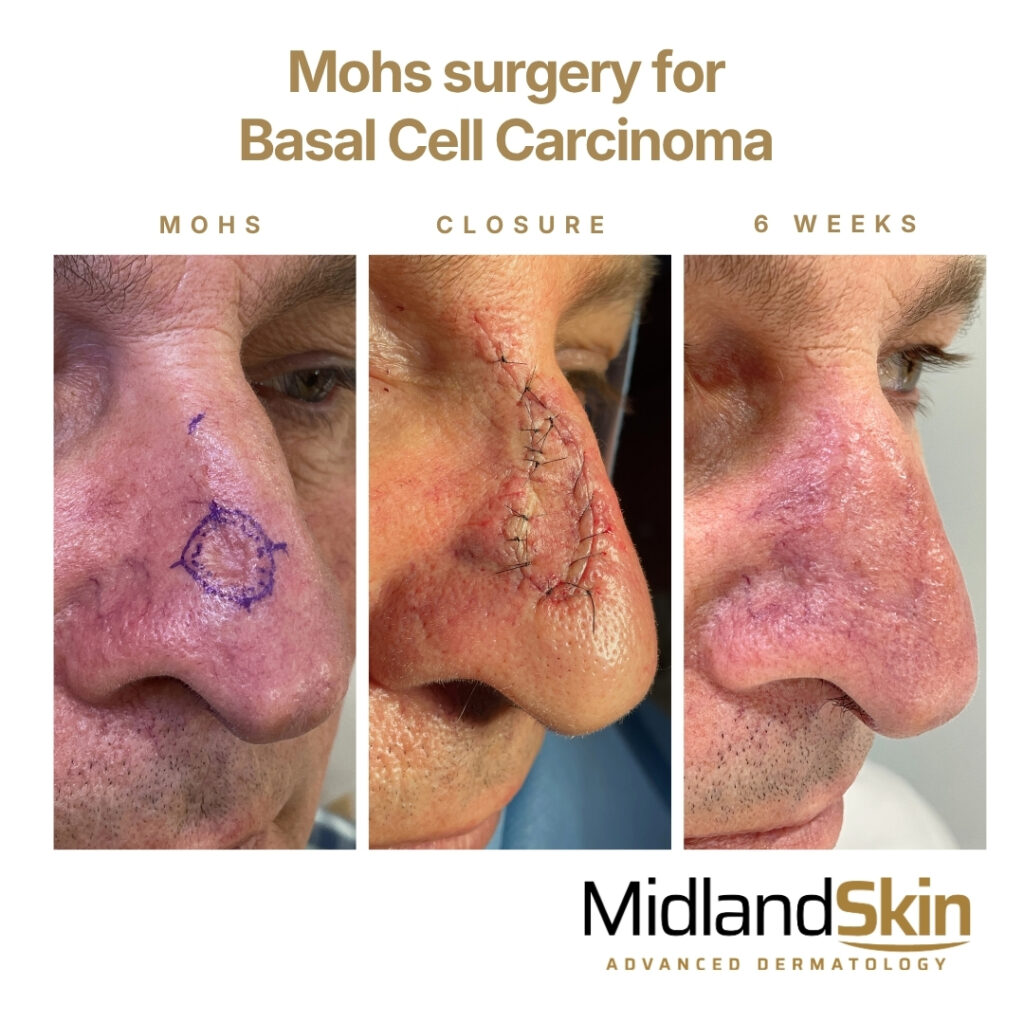
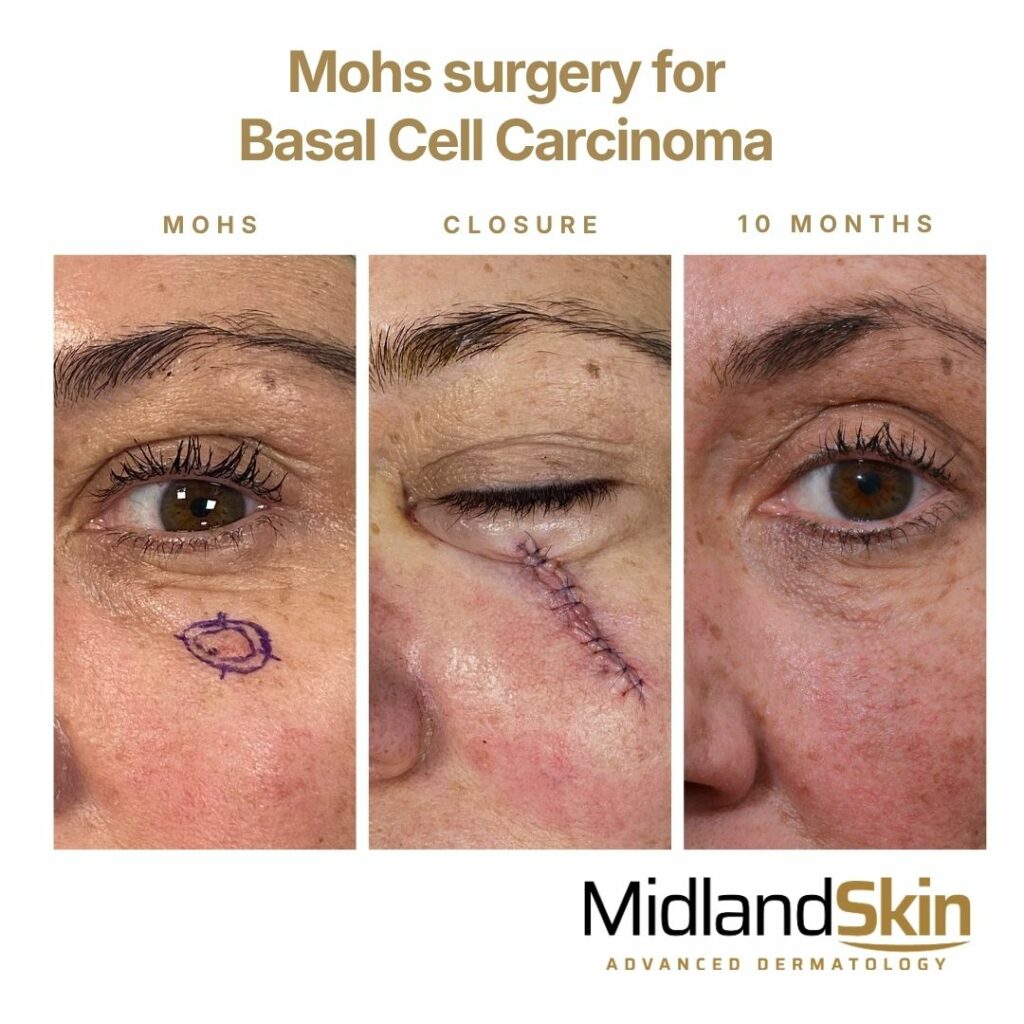
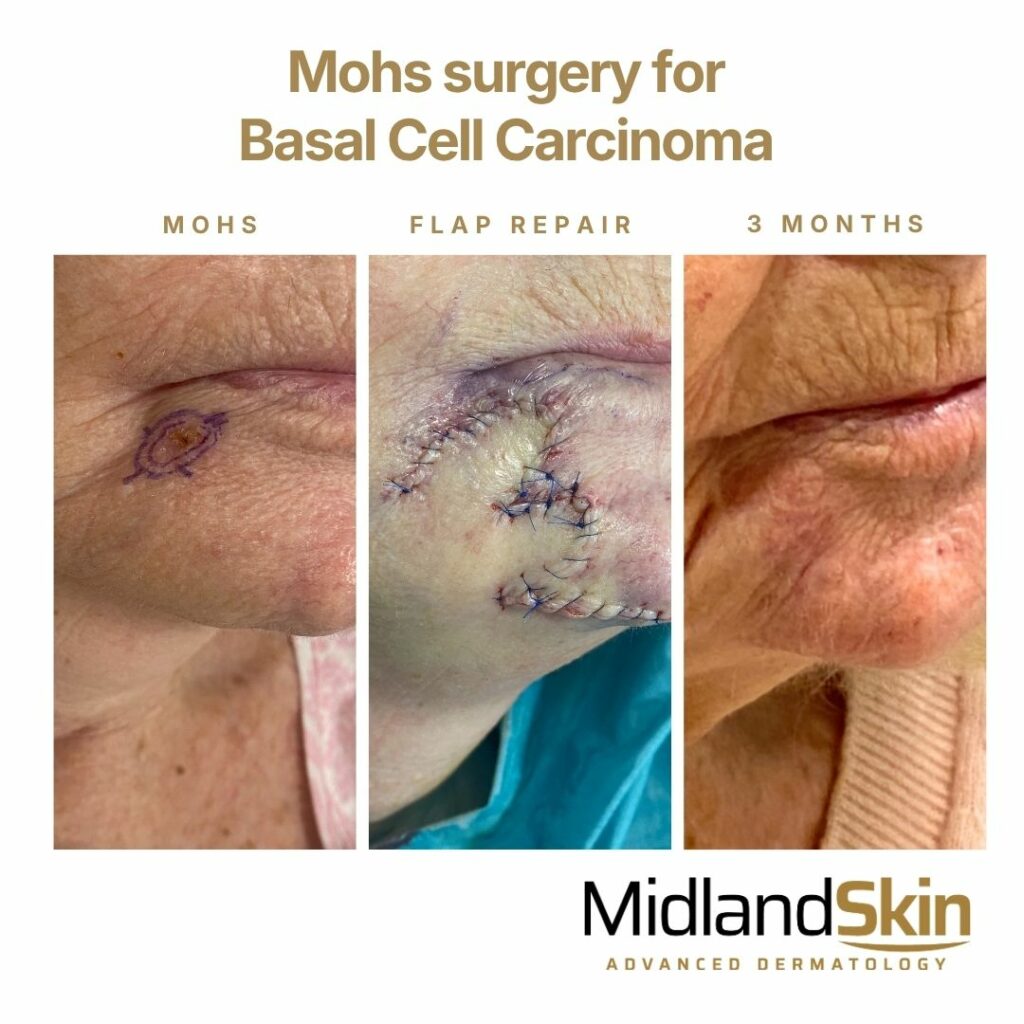
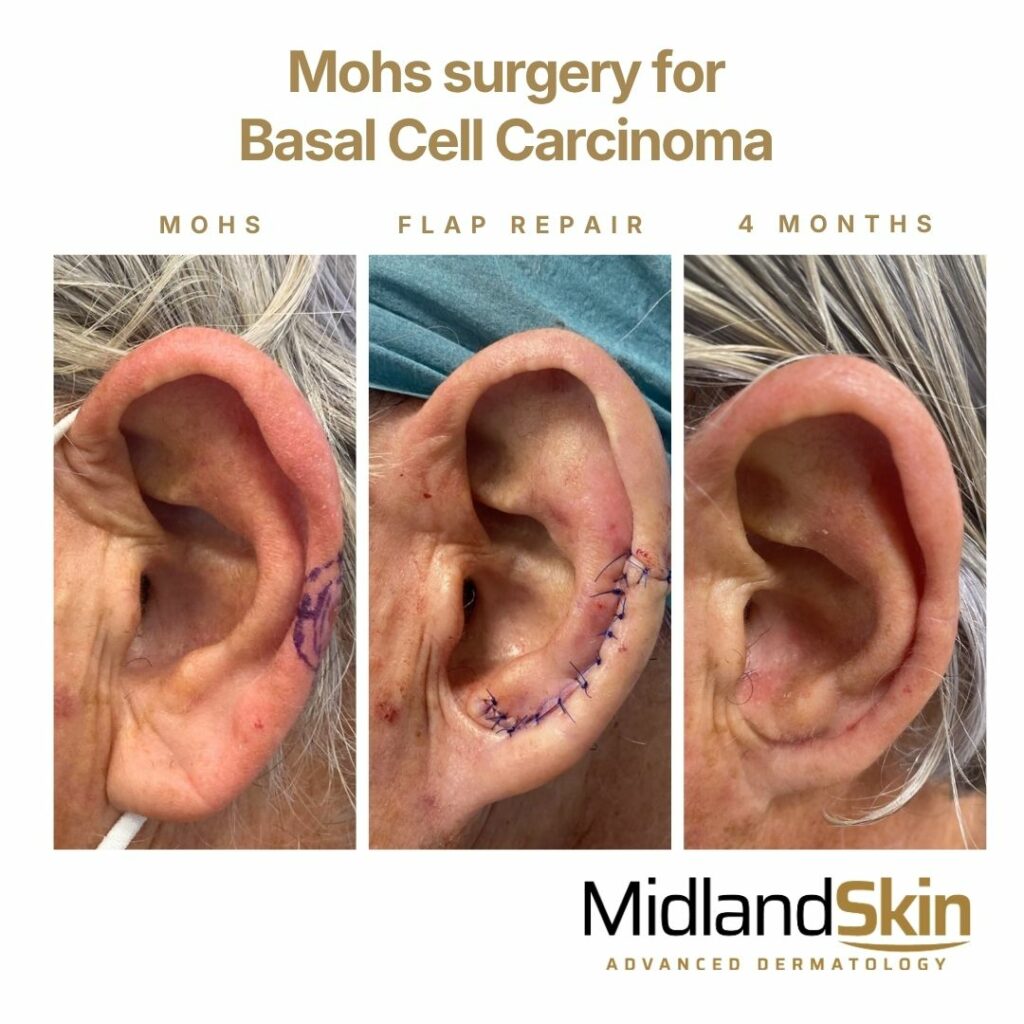
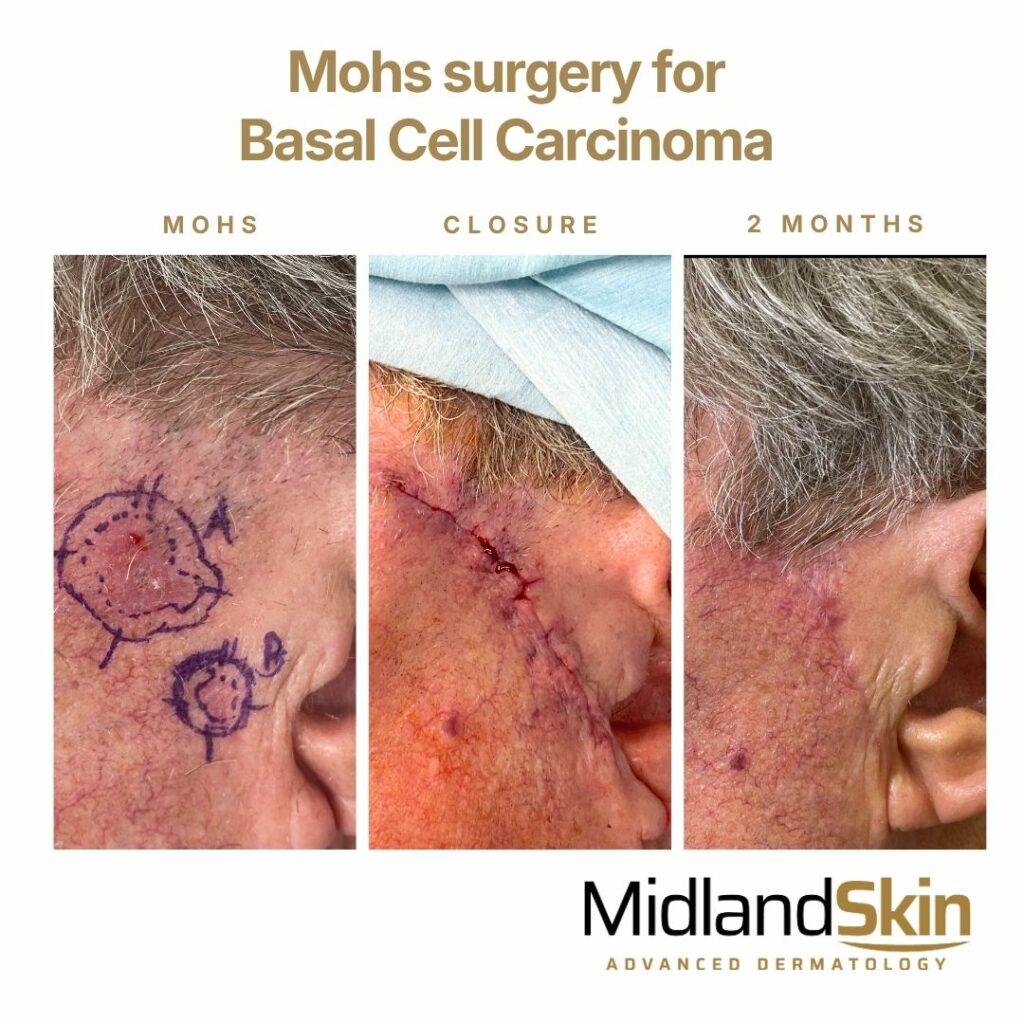
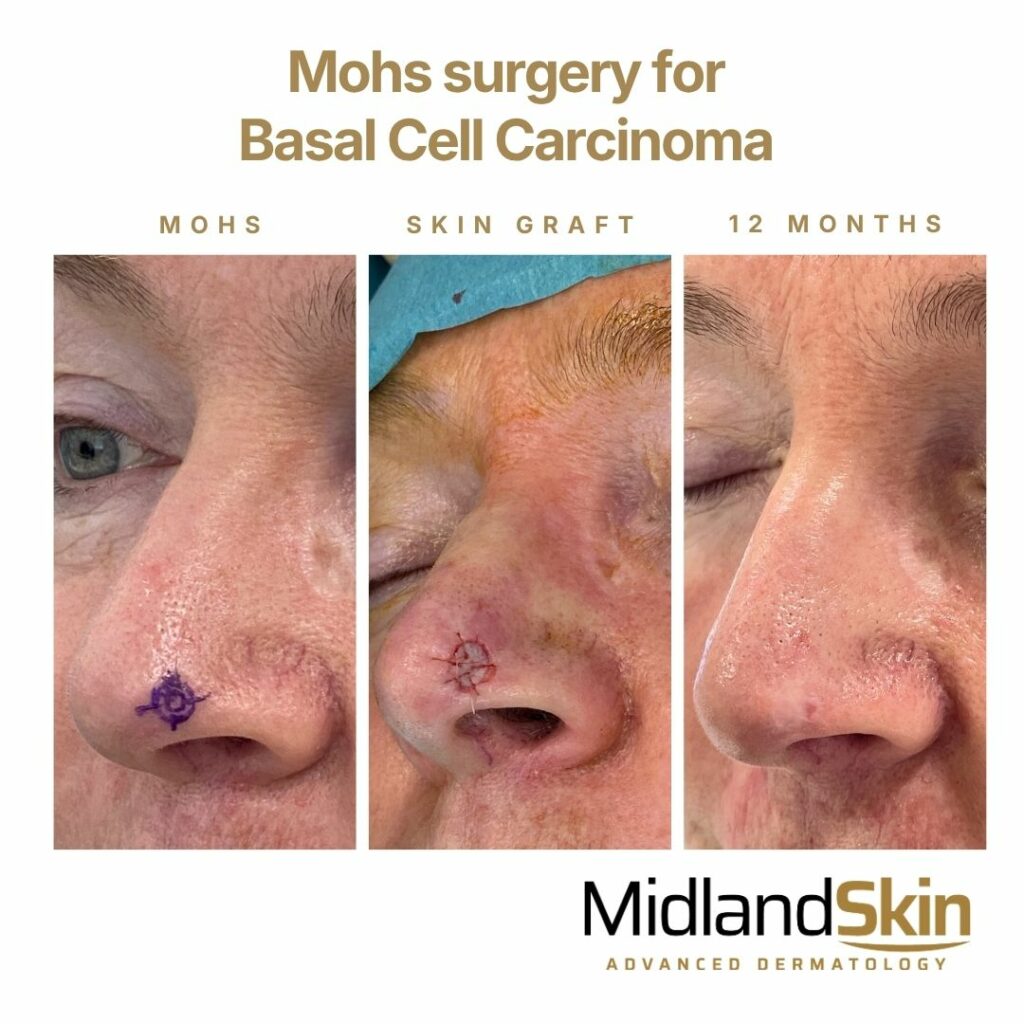
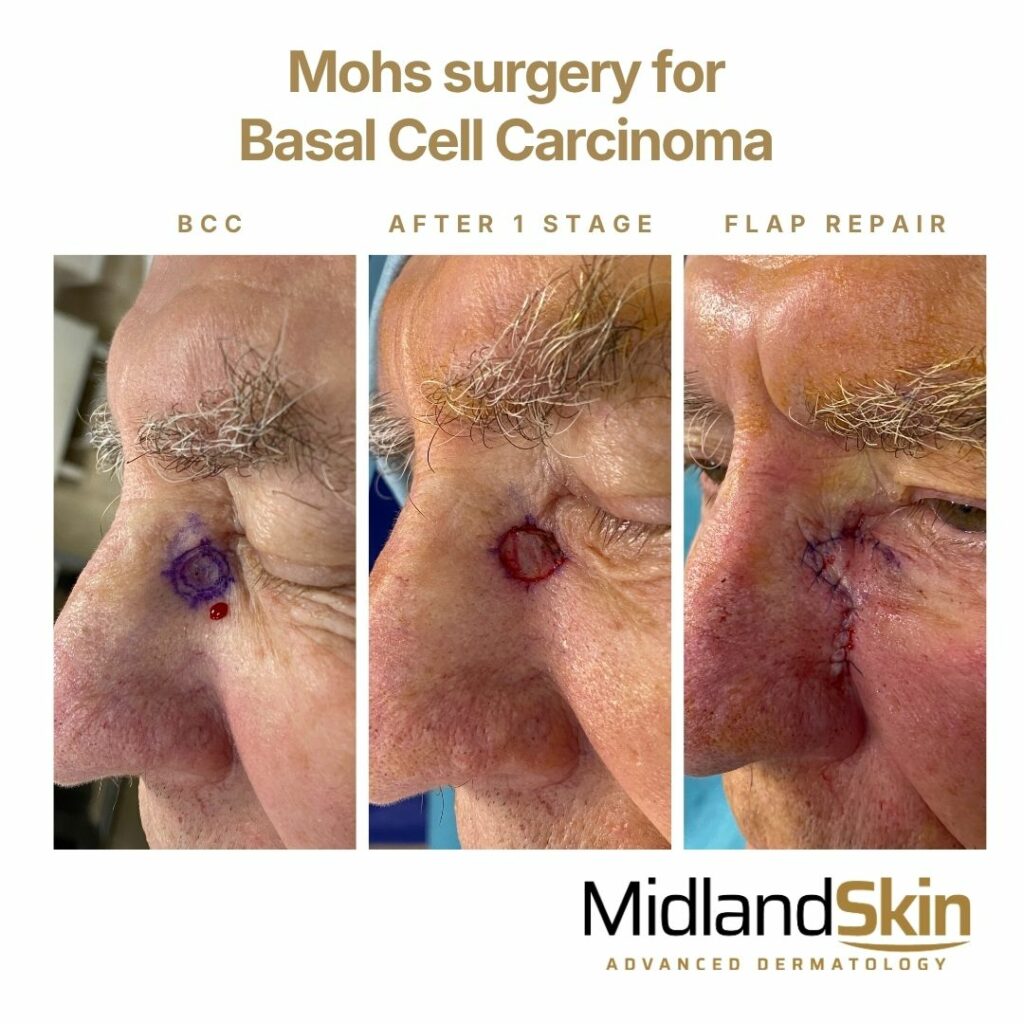
Mohs surgery videos
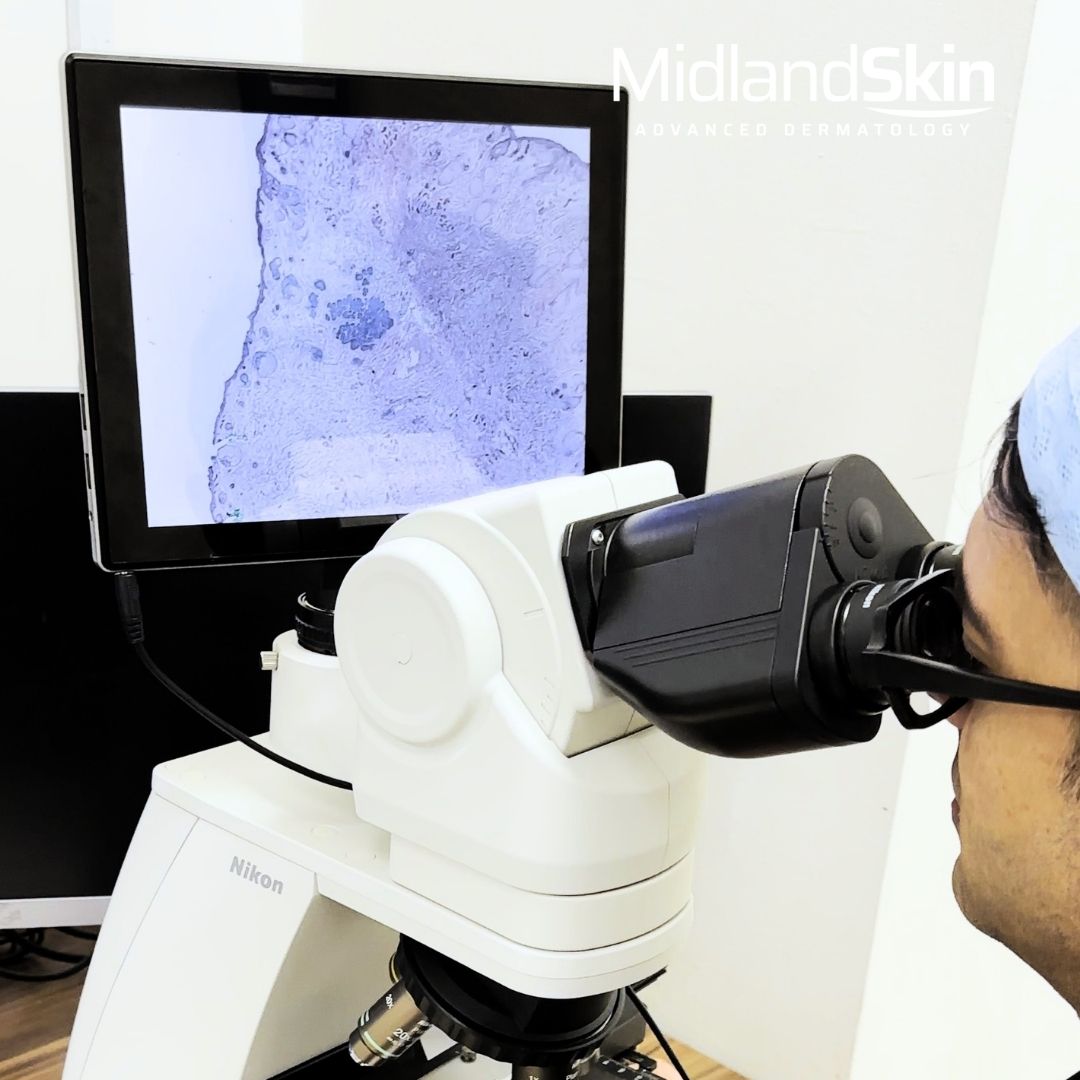
Let’s review this patient’s Mohs surgery histology
Why Mohs surgery works and how it differs from standard excision
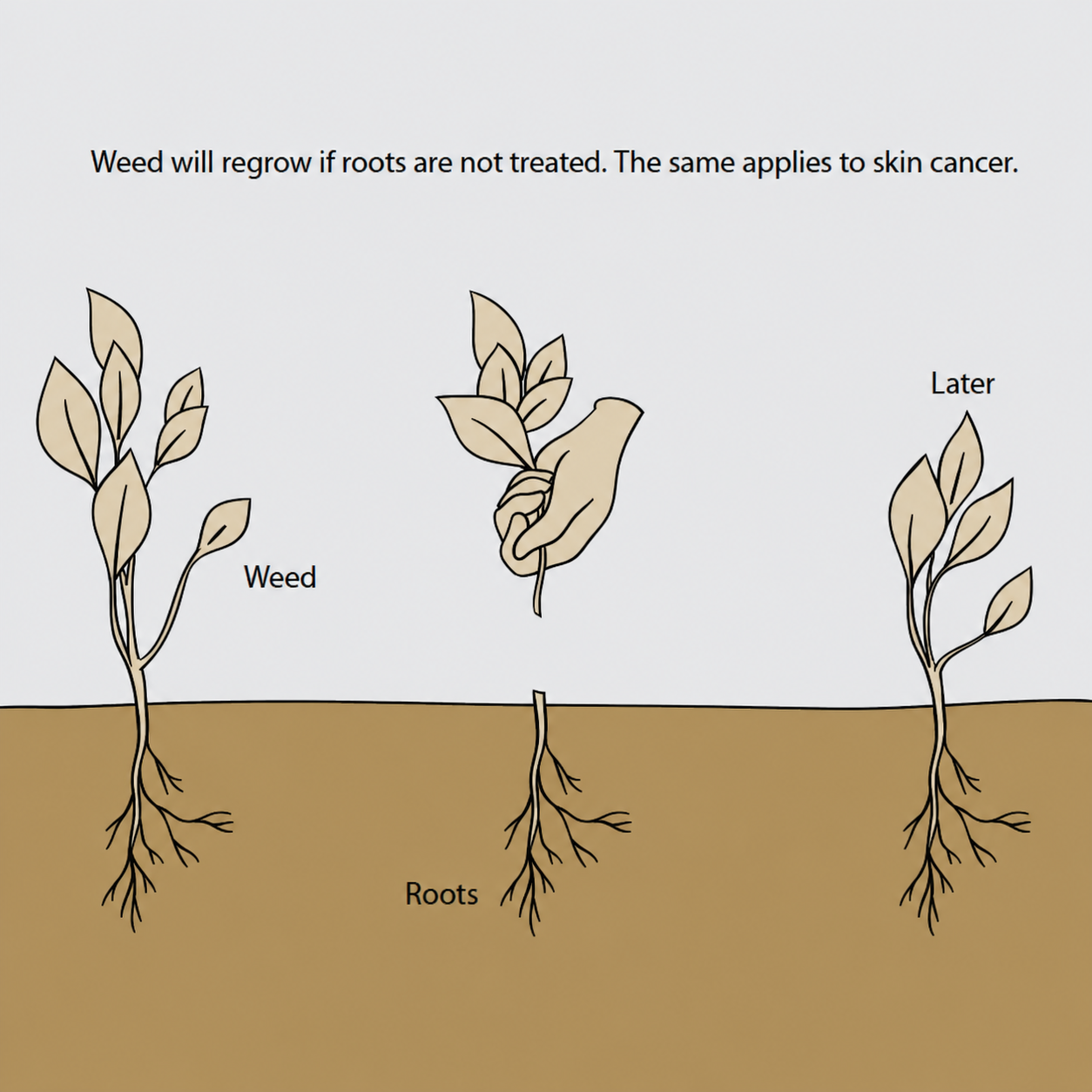
Many skin cancers begin in the upper layer of the skin and can grow both across the surface and deeper below it. They may also develop small extensions beyond the visible edge of the tumour, a little like the roots of a weed. The part seen on the surface may not always reflect its full extent beneath the skin, and if these extensions are not completely removed, the skin cancer can return.
With standard excision, the visible skin cancer is removed along with a margin of surrounding tissue, and the sample is sent away to a pathology lab. Results take days. If the margins come back positive, meaning cancer cells were found at the edges, a second operation is needed to remove more tissue. You do not know whether the cancer was fully cleared until well after you’ve gone home.
With Mohs surgery, the tissue is examined under the microscope straight away, layer by layer, while you wait. The sample is frozen and made into slides in our on-site frozen section laboratory, and each stage is carefully mapped. If cancer cells remain at the edges, a further thin layer is removed only from the precise area where it remains, and the process is repeated until the cancer has been fully cleared – all in a single visit. By tracing out invisible roots, the chance of curing the tumour is significantly increased.
Key advantages of Mohs surgery
- Highly precise treatment for selected basal cell carcinomas (BCC) and squamous cell carcinomas (SCC)
- Same day microscopic margin checking during surgery using an onsite frozen section laboratory
- Removes cancer stage by stage until fully cleared
- Provides confidence that the tumour is completely removed prior to closure of the wound
- Preserves as much healthy skin as possible, resulting in smaller wounds and therefore smaller scars.
- Highest cure rates among treatments for selected BCC

Richard Green

Mohs surgery cure rates
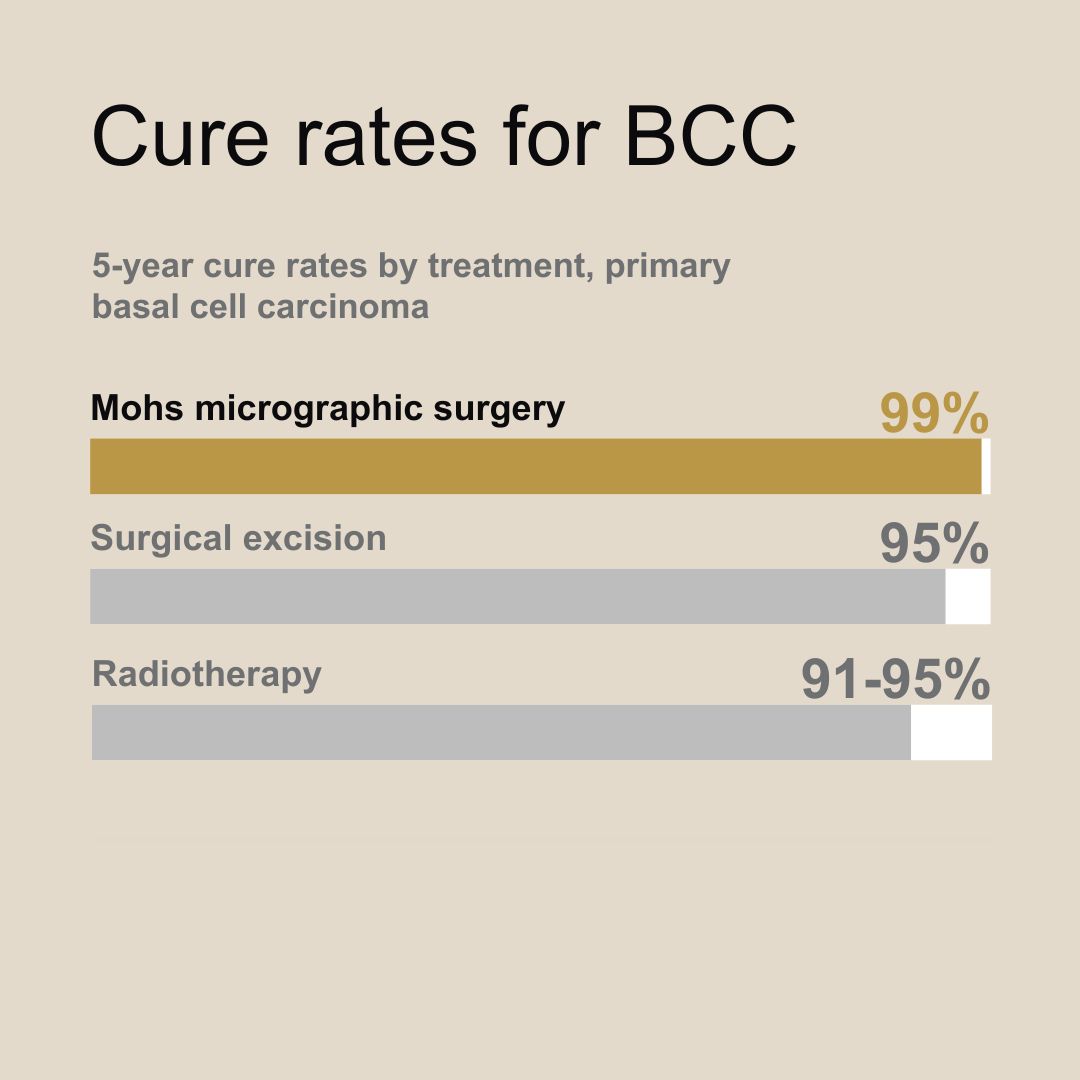
Mohs micrographic surgery offers very high cure rates for basal cell carcinoma, with published 5-year cure rates of around 99% for primary BCC and 94-95% for recurrent BCC.
This is the highest cure rate among all treatments available for BCC and this is achieved with conserving as much skin as possible.
Who is Mohs surgery suitable for?
Mohs micrographic surgery is the gold standard treatment for selected basal cell carcinoma (BCC) and squamous cell carcinoma (SCC), as it is the only technique that traces out invisible routes and eliminates them. Mohs surgery may be recommended when:
- the skin cancer is on the head or neck, especially in a high-risk site such as around the eyes, nose and mouth
- the edges of the skin cancer are not easy to see
- the margins are positive after a standard excisional treatment
- the skin cancer has come back after previous treatment
- the highest possible cure rate is an important consideration
- tissue preservation is important for both appearance and function
Treatment Pathway for Mohs Surgery
Initial Consultation
You meet your Consultant Dermatologist to assess your suspected skin cancer, confirm whether Mohs is the right treatment, and plan the procedure with you.
Biopsy
A biopsy may be required to confirm the diagnosis.
Mohs Surgery
Mohs surgery, on-site histology, and wound repair is usually carried out on the same day under local anaesthetic.
Review Consultation
A follow-up 4–6 weeks after surgery to check healing and discuss scar care.
On the day: what to expect FAQs
Who will perform my Mohs surgery?
Your Mohs surgery will be performed by a Consultant Dermatologist on the GMC Specialist Register, with specific training and experience in Mohs micrographic surgery. You will meet your surgeon at your initial consultation, so you know exactly who will be treating you on the day.
Our Mohs surgeons are
How soon can I be seen
We understand that a skin cancer diagnosis is worrying, and most patients want to be treated as quickly as possible.
Initial consultations are usually available within 2 to 3 weeks. Once Mohs surgery has been planned, the procedure itself is typically scheduled within a few weeks of your consultation, depending on clinic availability and your own preferences.
What should I bring and wear on the day?
Please wear comfortable, loose-fitting clothing, ideally a top that buttons or zips at the front rather than pulls over the head, so you can dress easily afterwards without disturbing your dressing.
Do not wear any make up or facial skin care products.
You may be with us for several hours, so it helps to bring:
- Something to read, watch or listen to during the waiting periods between stages (headphones, a tablet, a book)
- A phone charger
- Any regular medications you take during the day
- A light snack if you prefer specific foods, though tea, coffee, water and light refreshments are provided
Please eat a normal breakfast before you arrive. There is no need to fast.
What happens on the day of Mohs surgery?
Mohs surgery is done as a day case under local anaesthetic — you go home the same day. Because we examine each tissue sample under the microscope between stages, most patients are with us for 3 to 6 hours in total. Please arrange for someone to drive you home.
What happens when I arrive?
When you arrive, you will meet the Mohs surgeon and the team looking after you. The procedure will be discussed with you again, including what to expect on the day, and you will have the opportunity to ask any final questions before treatment begins.
The area to be treated is then examined carefully, and the skin cancer is marked on the skin together with a small safety margin.
Can someone come with me on the day?
You may bring a friend or family member with you. They are welcome to wait with you in our waiting area between stages, and we will keep them updated on your progress throughout the day.
You will also need someone to drive you home after the procedure, particularly if surgery involves the area around the eye, where local anaesthetic can occasionally cause temporary blurred vision or swelling.
Will the procedure hurt?
The area of skin where you are having the procedure will be thoroughly numbed using local anaesthetic injections. While these may sting momentarily, you will not feel any pain during the procedure, even though you will still feel other sensations like pressure and touch. The local anaesthetic is topped up every time you have a further stage or when you have your reconstruction. You will be awake during the whole procedure.
How is Mohs surgery carried out?
After the skin has been numbed, the area that was marked out is removed. This tissue is then processed at the on site frozen section laboratory, and examined microscopically to check whether any cancer cells remain at the edges. This takes about 90-100 minutes.
A dressing is applied on the wound. You will be asked to wait in the waiting area while your tissue is being processed where light refreshments, tea, coffee and water are served.
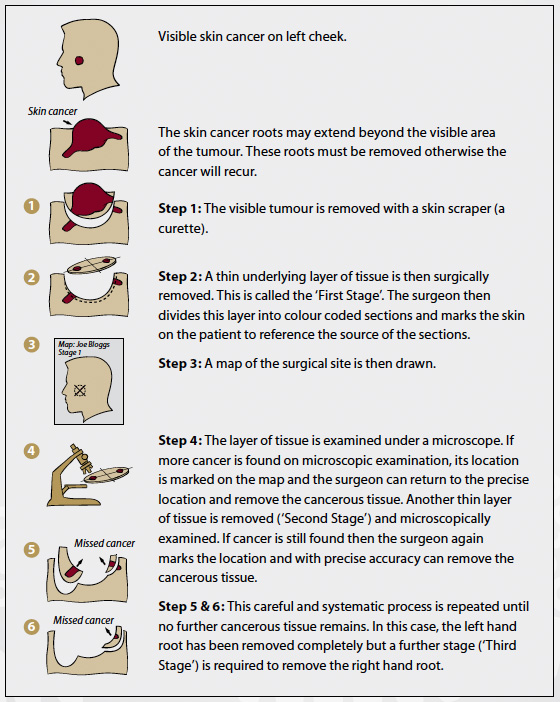
If any residual cancer is identified, a further thin layer is removed only from the precise area where it remains. The tissue is then checked again, and this process is repeated until the cancer has been fully removed. This means that you may be in and out of theatre a few times in the day.
This staged approach allows complete cancer clearance to be confirmed while preserving as much healthy skin as possible. The steps involved are shown in the diagram below:
How many stages of Mohs surgery will I need?
In our experience, around 50% of skin cancers are cleared in a single stage, and around 90% are cleared within two stages. About 10% need three or more stages. The number of stages depends on how far the cancer extends beneath the surface — which we can only know by examining the tissue.
After surgery: repair and recovery FAQs
How is the wound managed after Mohs surgery?
Once the skin cancer has been completely removed, the wound is carefully assessed and the best way to manage it is decided in discussion with you.
Depending on the size, depth and position of the wound, this may involve direct closure with stitches, a skin flap, a skin graft, or allowing the area to heal naturally where appropriate.
In most cases, repair is carried out immediately on the same day. In others, it may be better to delay repair for a short period if this is considered the most appropriate approach.
In selected cases, reconstruction may be planned in advance with a specialist reconstructive colleague when this is considered the most appropriate option.
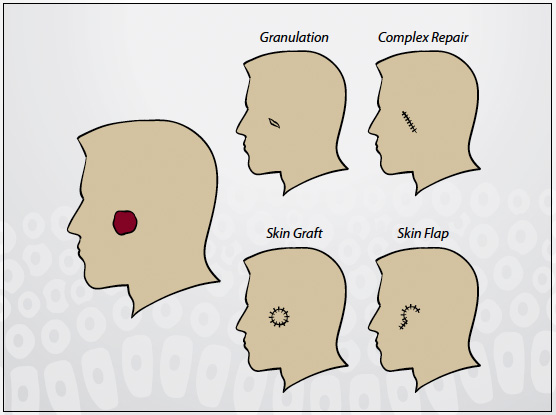
Because the final size of the wound can only be confirmed once the cancer has been fully cleared, it is not always possible to decide in advance exactly how the area will be repaired.
What dressings and aftercare will I need?
At the end of the procedure, a dressing is applied and you will be given written aftercare advice. A wound check appointment may also be arranged where needed.
It is important to keep the area clean, dry and protected, and to follow the aftercare instructions carefully. This helps support healing and reduces the risk of bleeding, infection or problems with the wound.
When do stitches come out?
You will be informed if you have any stitches which need removing. The timing of stitch removal depends on the area treated and the type of repair performed. In most cases, stitches are removed 6 to 14 days after surgery.
You will be advised about the expected timing of stitch removal and any follow-up appointments after your procedure.
How long does healing take?
Healing time varies depending on the size of the wound and how it is repaired.
As a general guide:
-
- small wounds may settle in around 7 to 10 days
-
- moderate excisions, with or without flap or skin graft repair, may take around 14 to 21 days
-
- wounds left to heal naturally may take around 4 to 8 weeks
Everyone heals at a slightly different rate.
-
When can I go back to work?
Most patients take 1 to 2 weeks off work after Mohs surgery, though this depends on the site of the cancer, the size of the wound, and the nature of your job.
As a general guide:
- Desk-based work from home: most people feel able to return within a few days, though you may prefer to keep your camera off in meetings while the dressing is visible
- Office-based work: 1 week is usually sufficient for smaller wounds; 2 weeks for larger reconstructions, particularly on the face
- Physical or outdoor work: 2 to 3 weeks, avoiding heavy lifting and activities that could disturb the wound
Your surgeon will give you specific advice based on your procedure and will provide a fit note if needed.
Will there be a scar?
Yes. Any form of skin cancer surgery will leave a scar.
The aim of Mohs surgery is to remove the cancer completely while preserving as much healthy skin as possible. This helps keep the wound and resulting scar as small as possible, while still achieving complete cancer clearance.
The final appearance of the scar will depend on the size and position of the skin cancer, the number of stages needed, and the type of repair required. In most cases, the scar will continue to improve over the weeks and months after surgery.
What practical recovery advice should I follow?
You should plan to take things easy after your procedure. Avoid strenuous exercise, swimming and heavy lifting for at least 14 days, or for as long as advised by your surgeon.
Arrange for someone to drive you and to accompany you home. Local anaesthetic around the eye can occasionally cause temporary blurred vision or swelling afterwards.
It can also be helpful to keep the rest of the day free and to bring something to help pass the waiting time during the procedure, such as headphones, music or a podcast.
Fees for Mohs surgery
Mohs surgery Show pricing
Book ConsultationInitial dermatology assessment
Mohs surgery for skin cancer
Mohs under private medical insurance
Midland Skin is recognised by all major UK private medical insurers, including Bupa, AXA Health, Vitality and WPA.
If you have private medical insurance:
- Contact your insurer to request pre-authorisation for a dermatology consultation. You may need a referral from your GP.
- Your insurer will issue you a pre-authorisation number. You will require this when booking a consultation.
- If Mohs surgery is recommended at your consultation, we will provide the procedure codes your insurer needs to authorise treatment.
- Contact your insurer for a pre-authorisation for Mohs surgery. You will require this when booking an appointment for Mohs surgery.
- Once you have had the procedure, our team will liaise with your insurer directly for the procedure fees.
Book in with us
Ready to get started? Book a consultation with our team at Midland Skin. Friendly, expert advice tailored to you.
John Osborn
References used for this article
- Telfer NR, Colver GB, Morton CA. Guidelines for the management of basal cell carcinoma. Br J Dermatol. 2008;159(1):35–48. doi:10.1111/j.1365-2133.2008.08666.x.
- Tomás-Velázquez A, et al. Risk factors and rate of recurrence after Mohs surgery in basal cell and squamous cell carcinomas: a nationwide prospective cohort (REGESMOHS, Spanish Registry of Mohs Surgery). Acta Derm Venereol. 2021 Nov 24;101(11):adv00602. doi: 10.2340/actadv.v101.544.
About the Author
This page has been written and/or medically reviewed by Dr Sajjad Rajpar, Consultant Dermatologist and Medical Director of Midland Skin, Birmingham.
Dr Rajpar is on the GMC Specialist Register in Dermatology and has over 20 years’ experience in clinical dermatology. He provides clinical oversight to ensure the information on this page is accurate, balanced and consistent with current dermatology practice.
Dr Sajjad Rajpar
Date last updated: 26th Aug 2026
Book in with us
Expert, consultant led care in dermatology, skin surgery, eyelid surgery, lasers and aesthetics.
Disclaimer
The content on this website is provided for general information only. It is not, and must not be treated as, medical advice, a diagnosis, or a recommendation for any particular treatment. We make reasonable efforts to keep information accurate and up to date, but medicine and technology change, and content may not reflect the most current evidence, guidance, product information, or individual practice. You should not rely on this website to make decisions about your health or treatment. Always seek personalised advice from an appropriately qualified healthcare professional. Any examples, images, testimonials, and outcome descriptions are illustrative only. Results vary between individuals and no outcome can be guaranteed.


