
Rhinophyma CO2 laser treatment in Birmingham
Restore your normal nose with CO2 and Erbium laser treatment for rhinophyma
At Midland Skin we offer Rhinophyma CO2 laser treatment for patients in Birmingham, Solihull, Coventry, Wolverhampton, Worcester and the Midlands.

Quick Facts about Rhinophyma
Best for
Rhinophyma
Anaesthetic
Local anaesthetic
Duration
1.5 hours
Recovery
2-3 weeks
Consultant
Consultant Dermatologist / Laser surgeon
Price
See below
What is rhinophyma?
Rhinophyma is a progressive skin condition characterised by thickened, lumpy, and enlarged soft tissue on the nose .
It starts as a subtle thickening, and can advance to a bulbous, disfigured nose. The condition can affect not only appearance, but also confidence, social interaction, and in advanced cases nasal breathing.
At Midland Skin we offer ablative CO₂ and Erbium YAG laser surgery to treat moderate and severe rhinophyma, restoring a more natural nasal contour and improving overall skin texture. We can also advise on controlling early rhinophyma to limit its progression.
Our rhinophyma service covers Birmingham, Solihull, Sutton Coldfield and the Midlands.
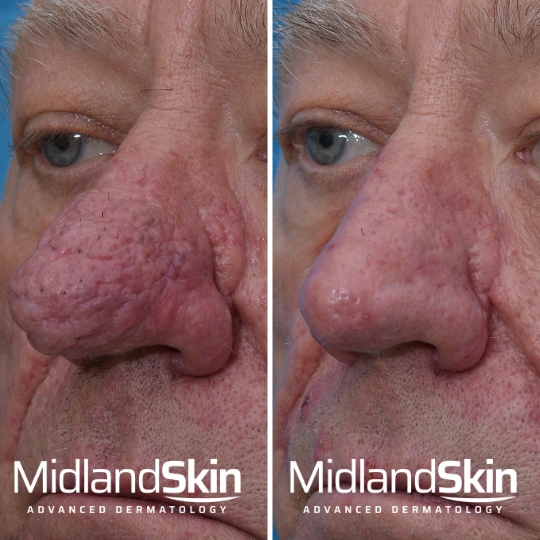
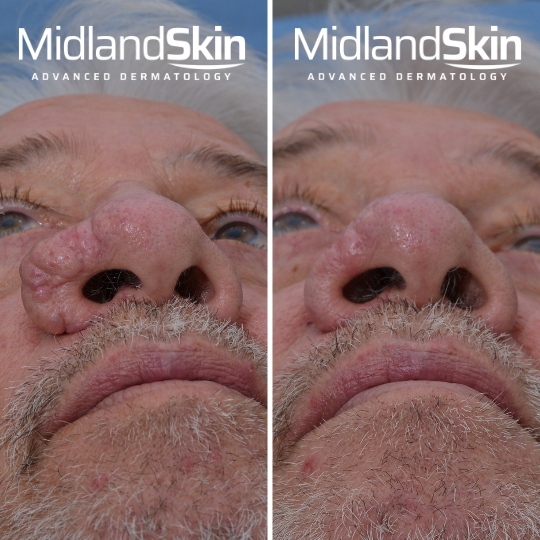
Before and after rhinophyma CO2 laser treatment
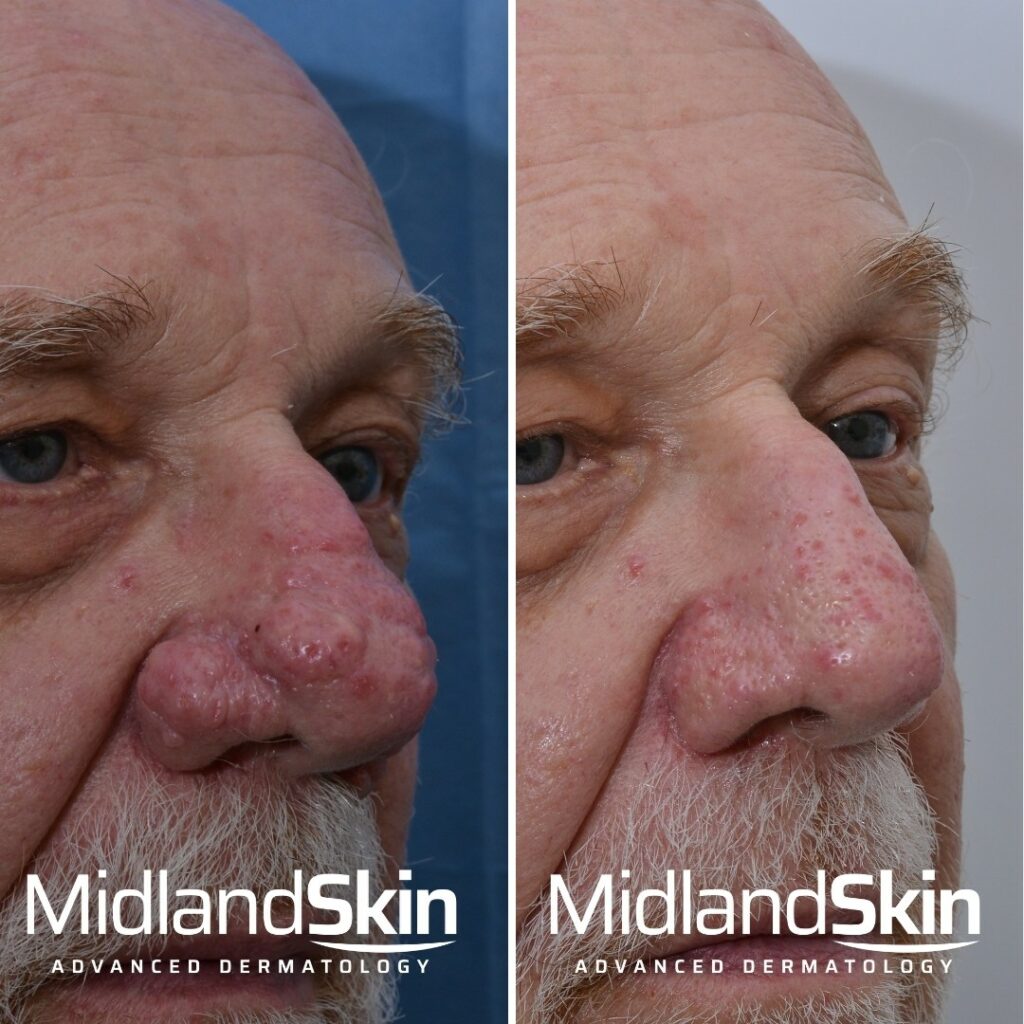
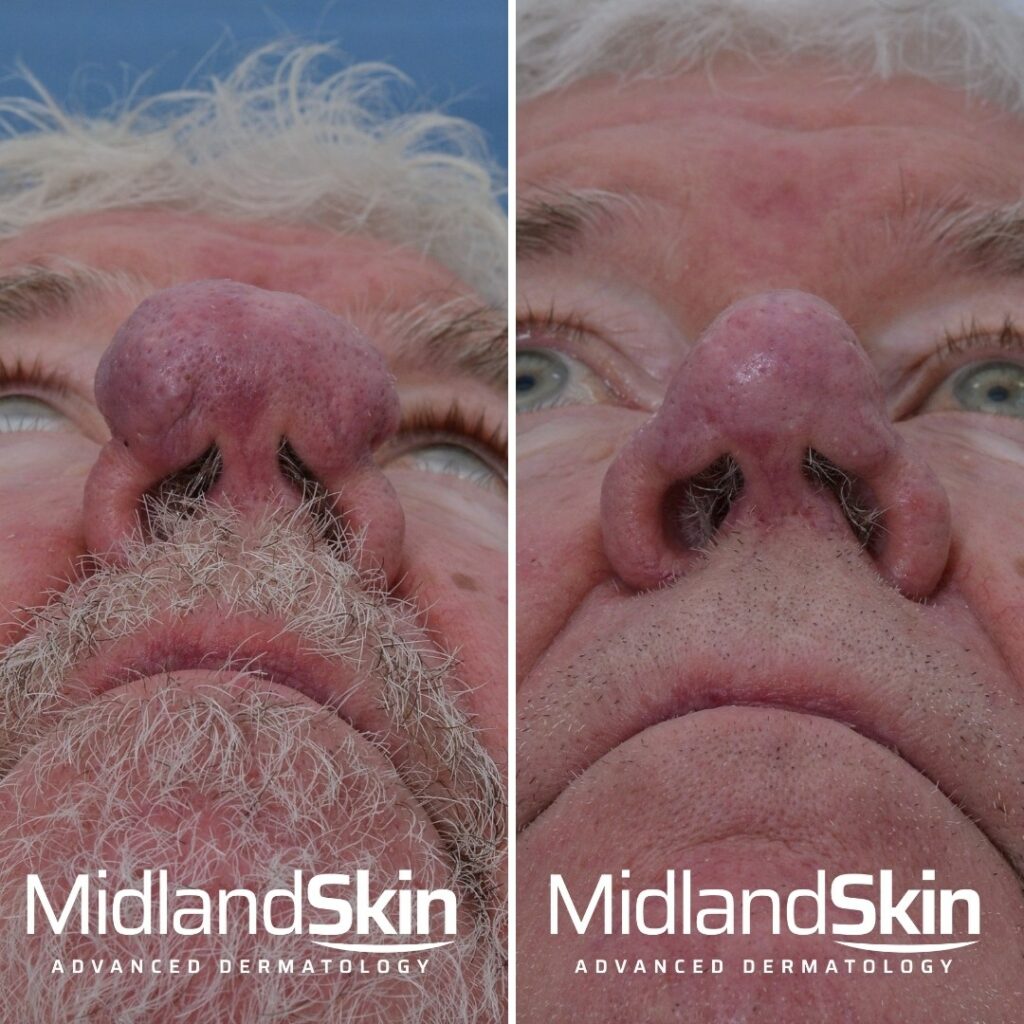
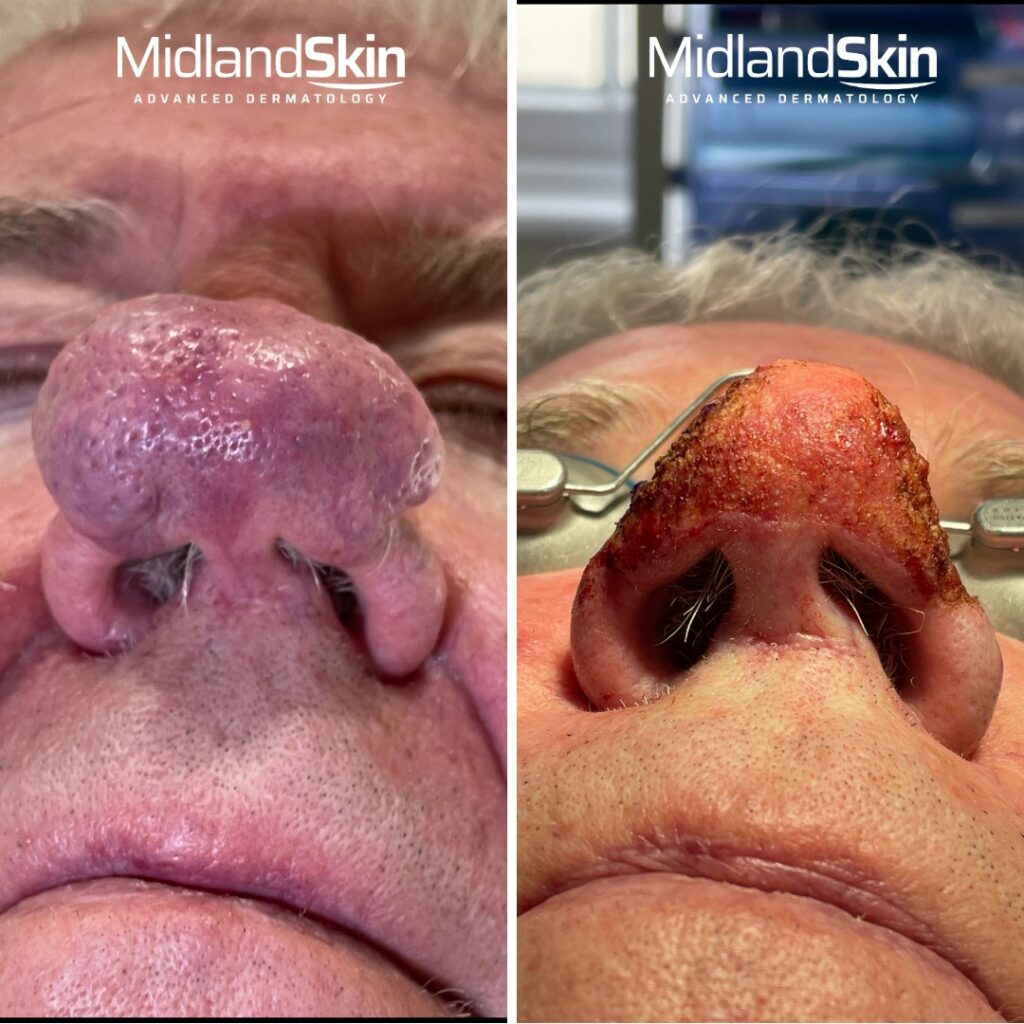
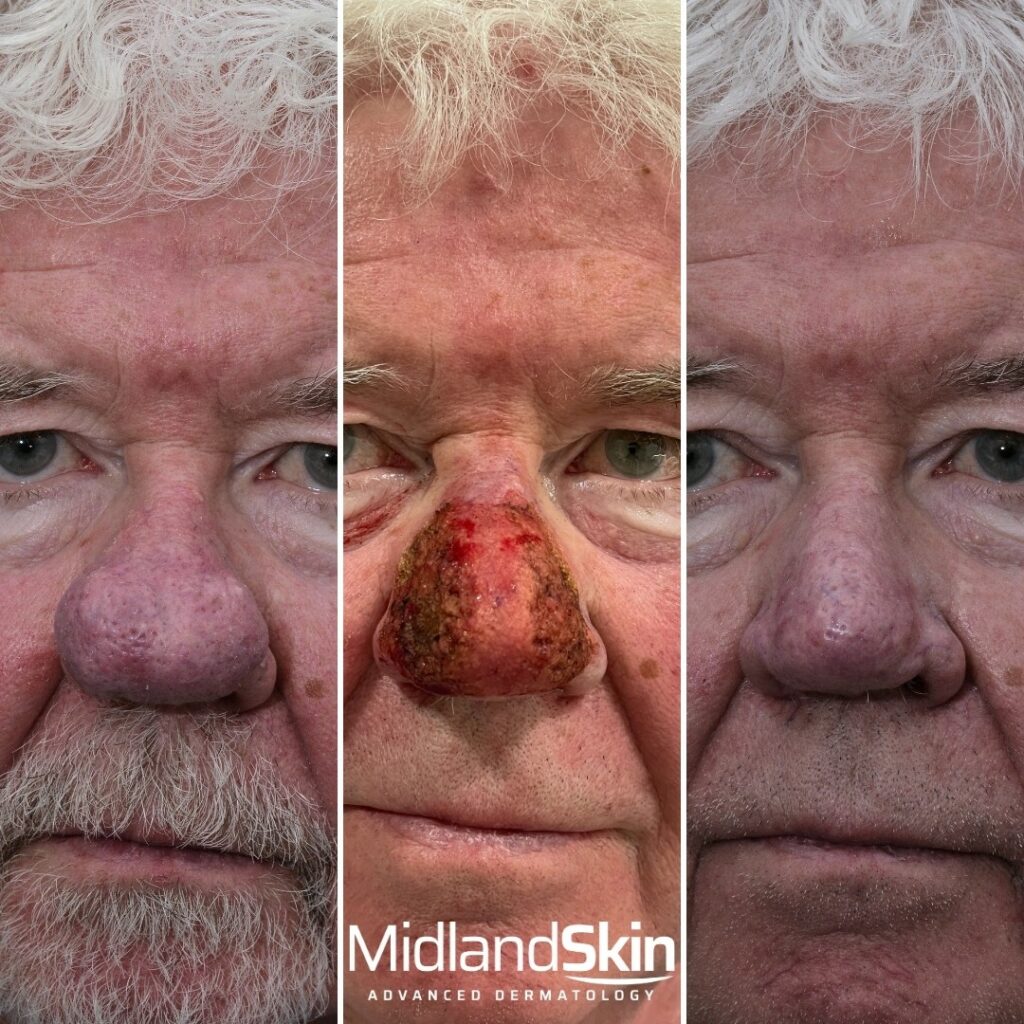
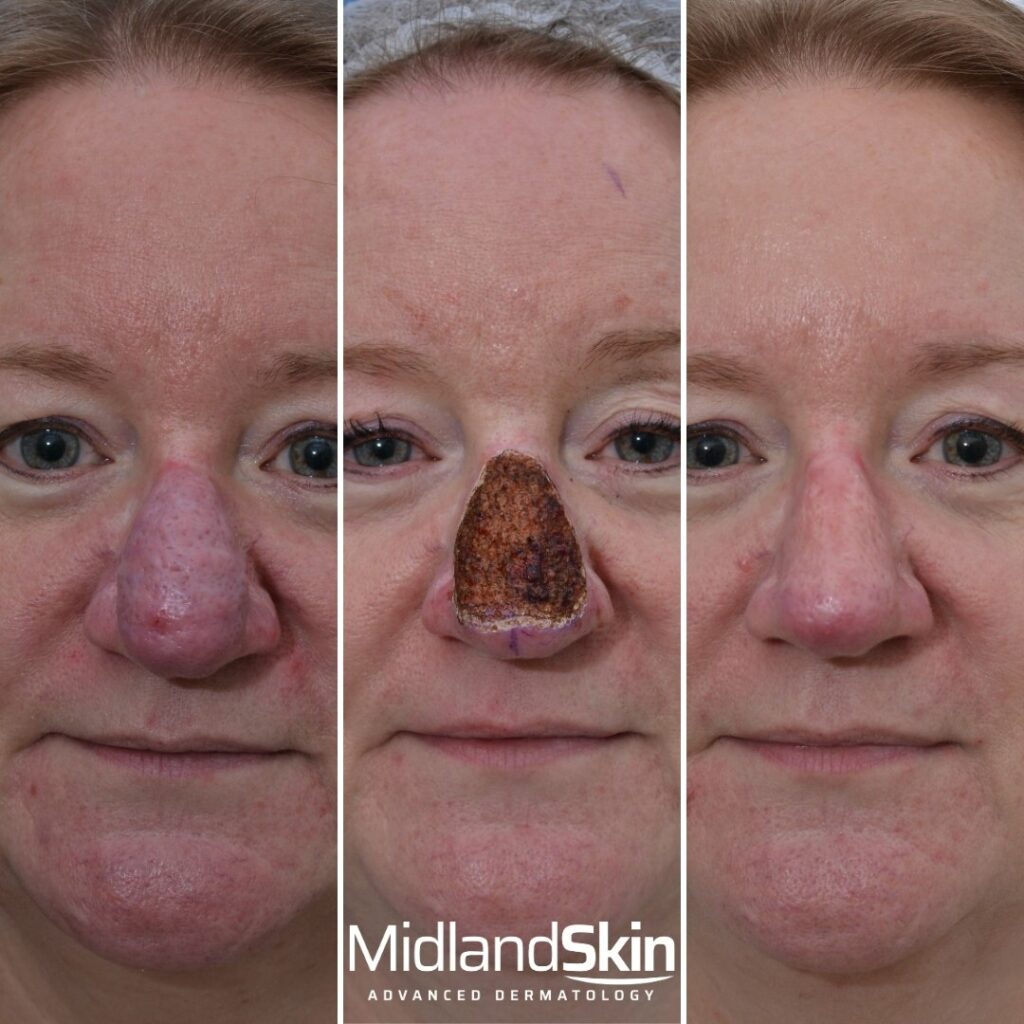
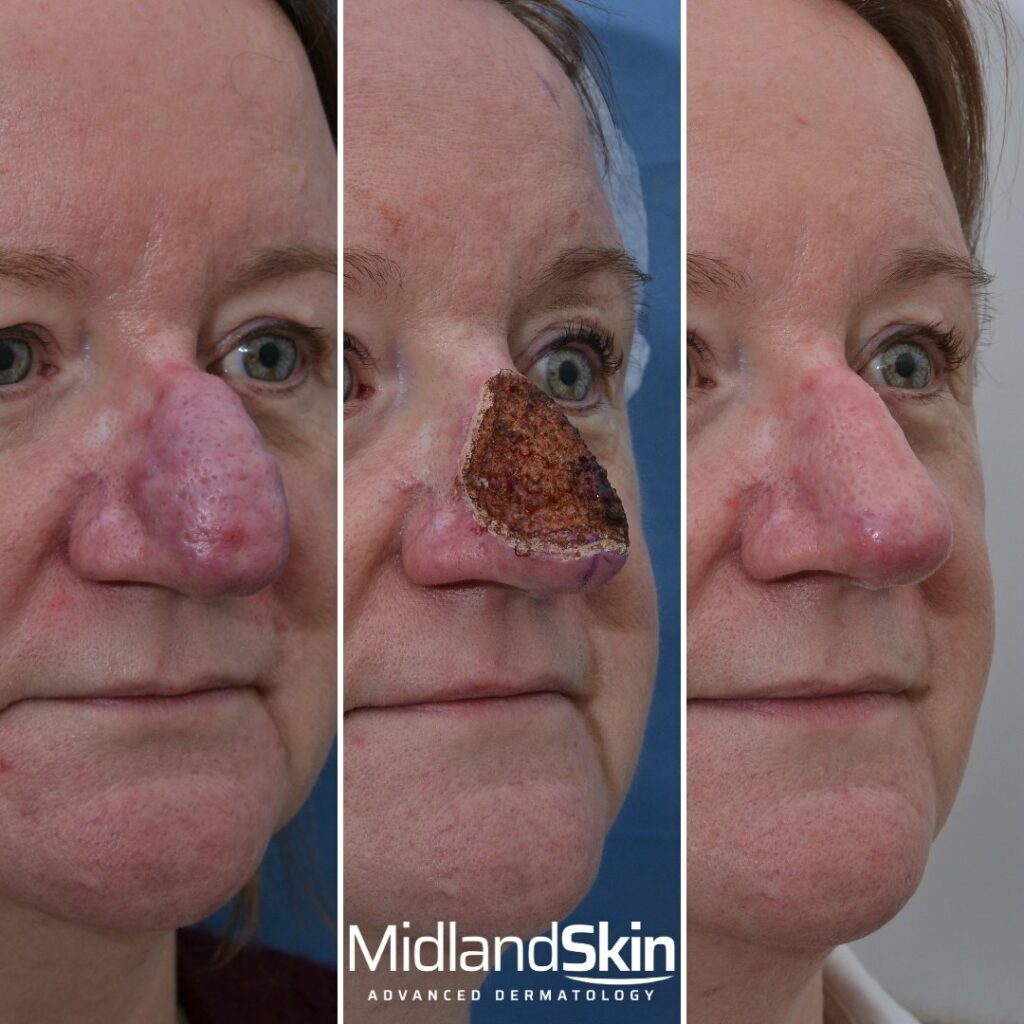
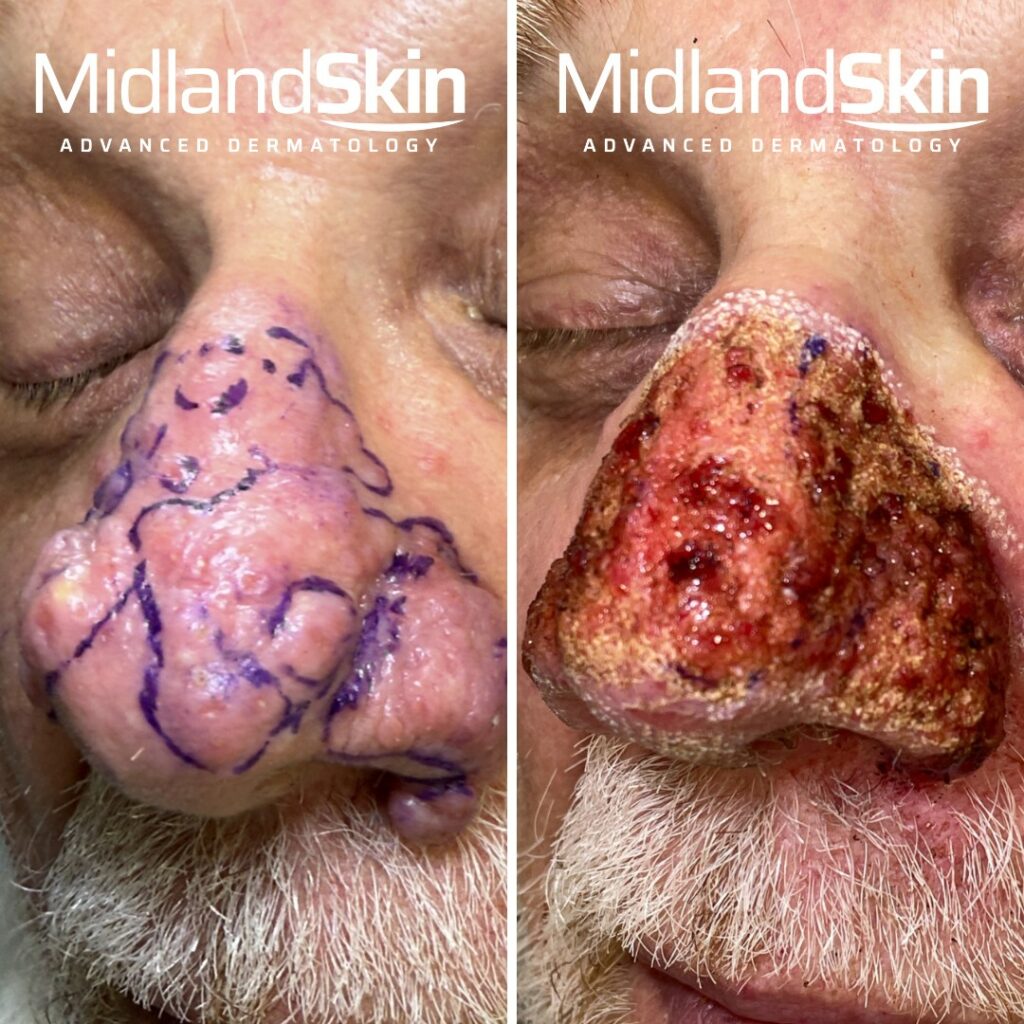
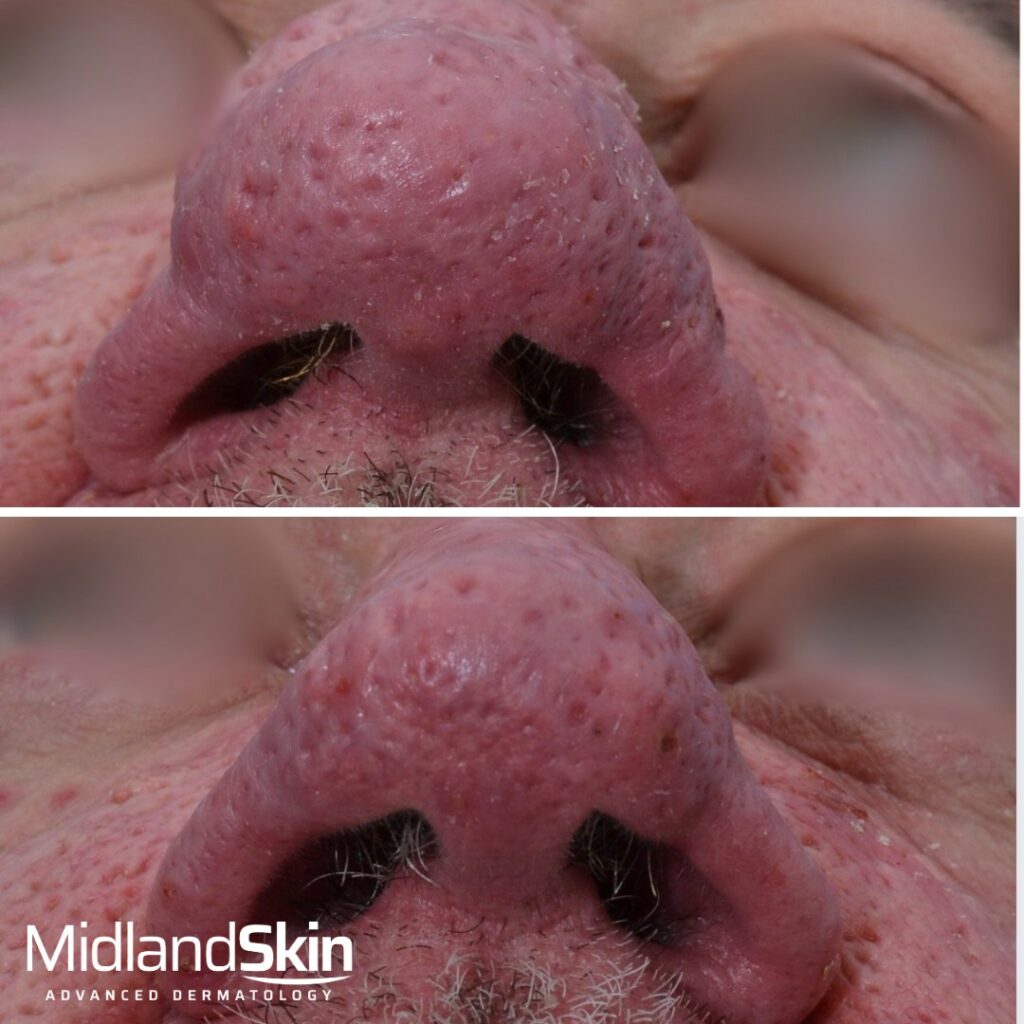
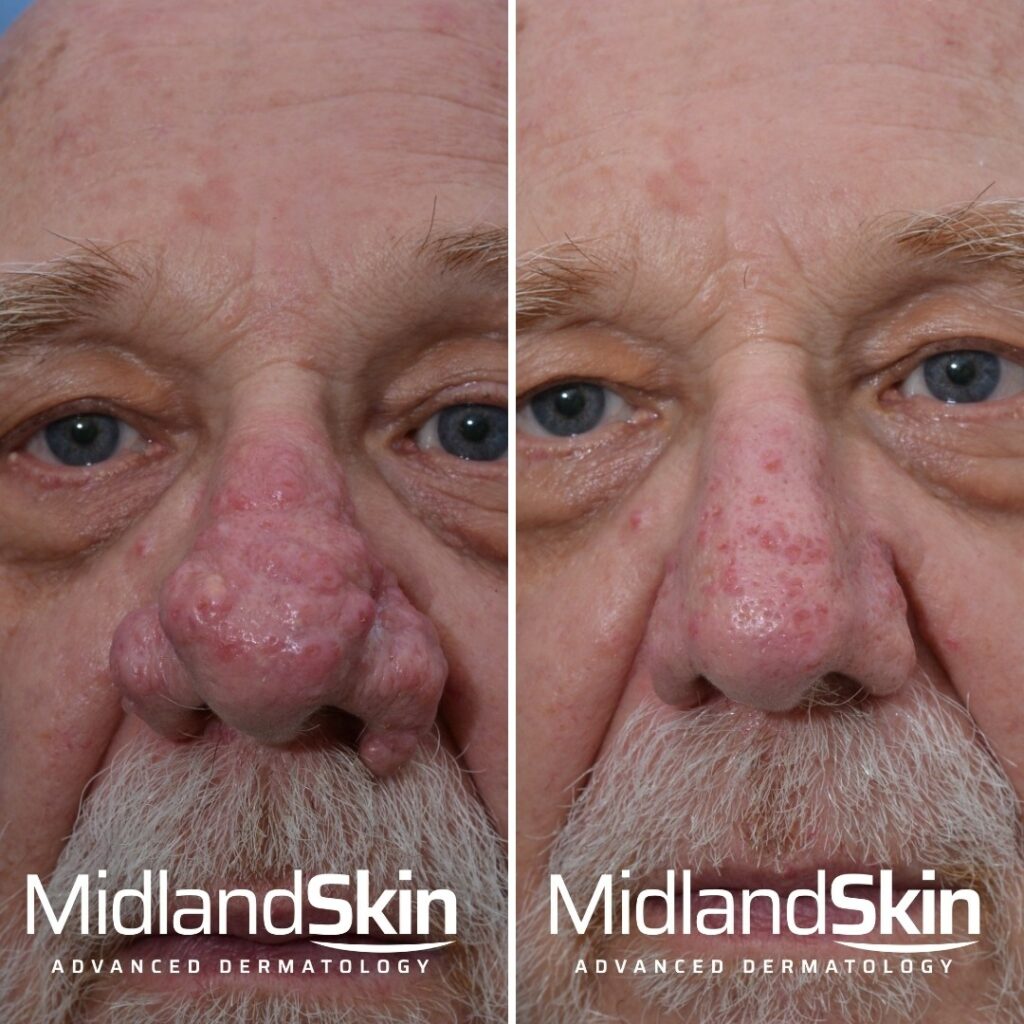
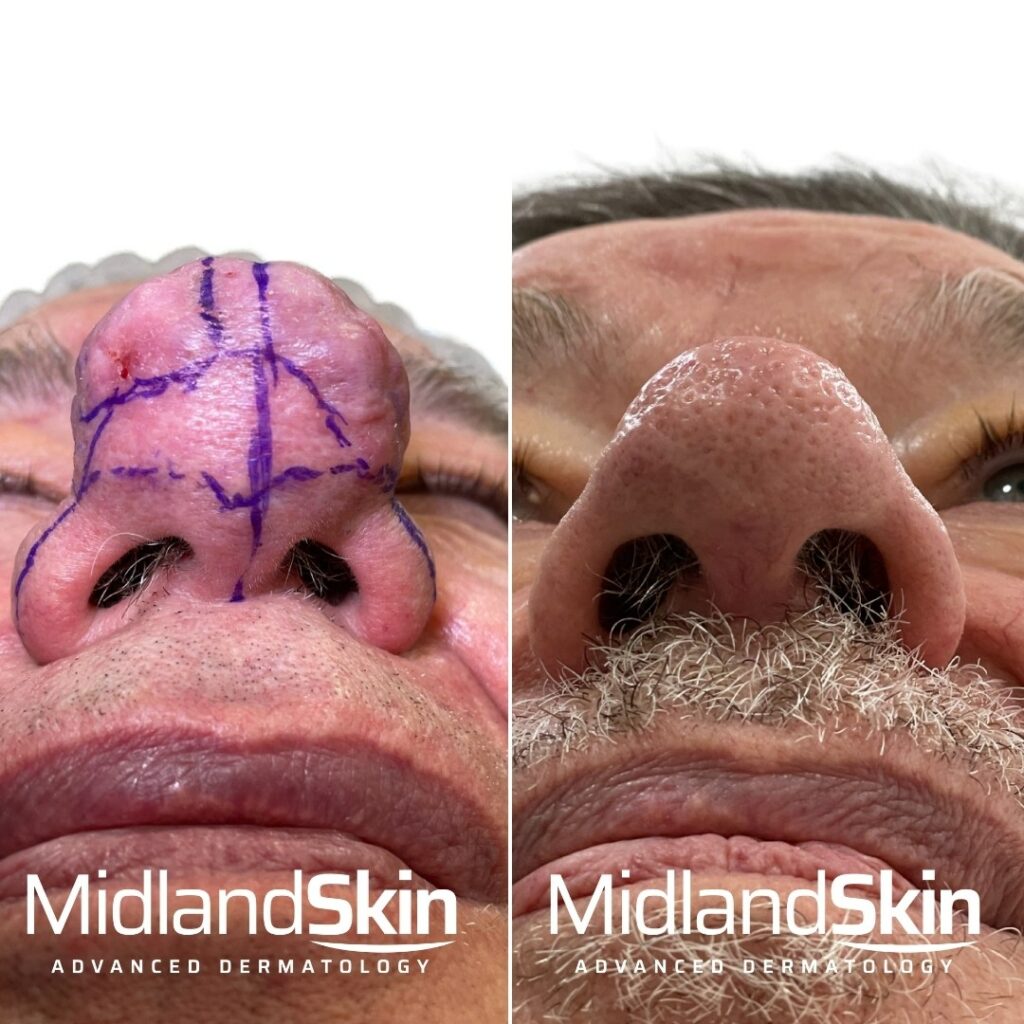
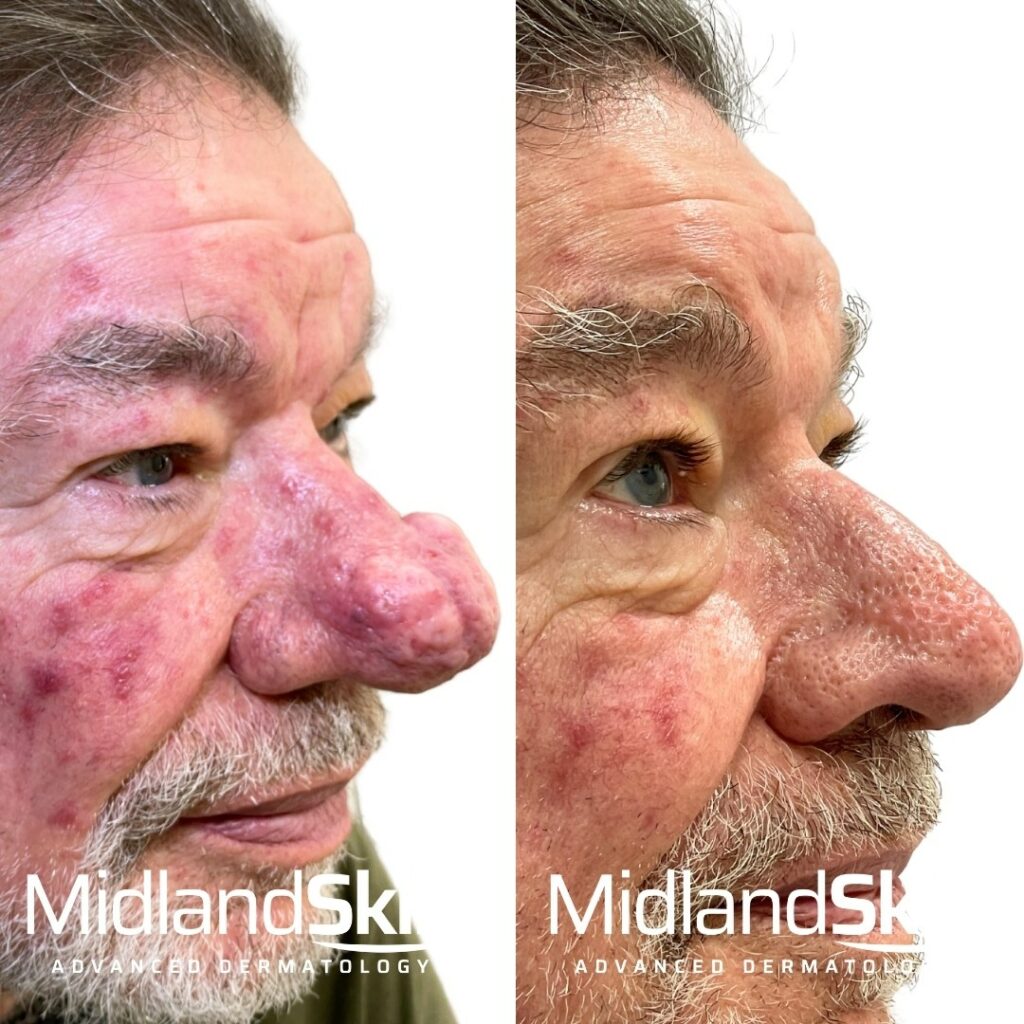
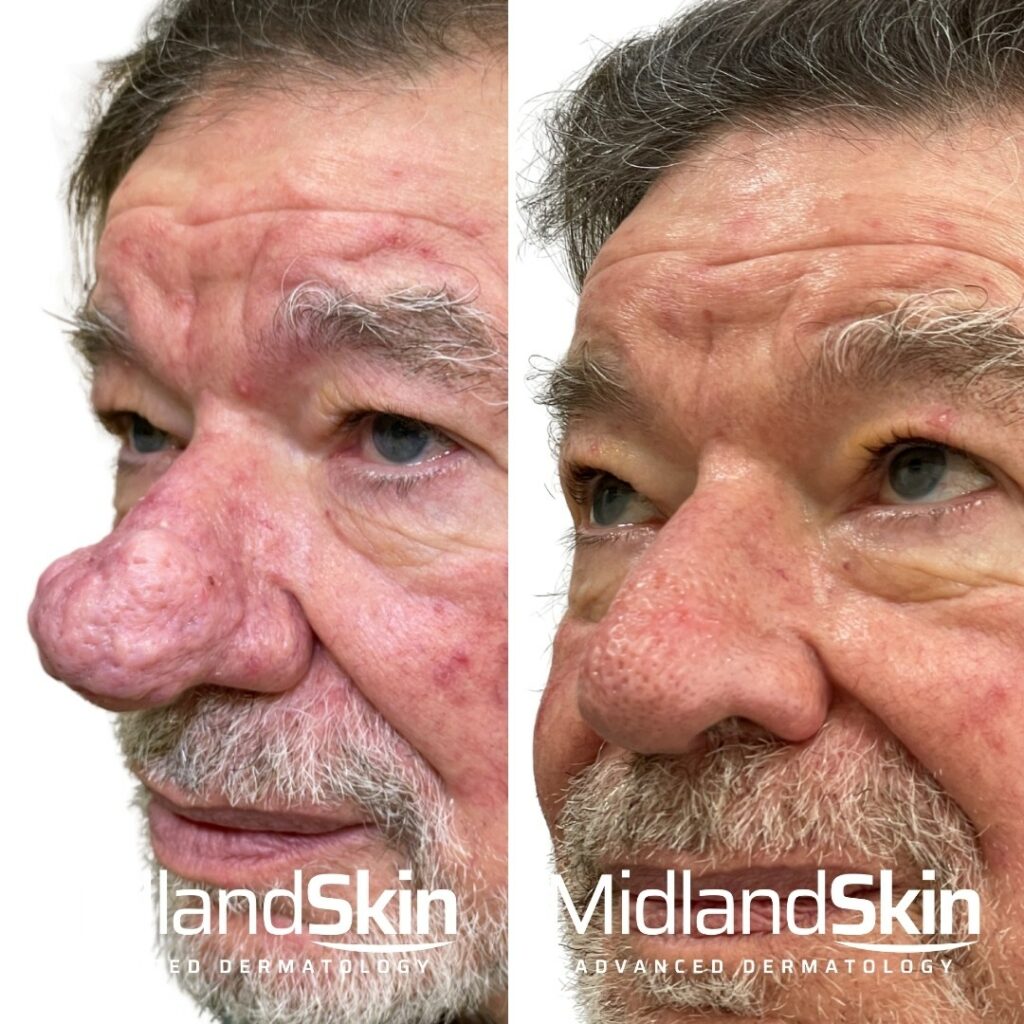
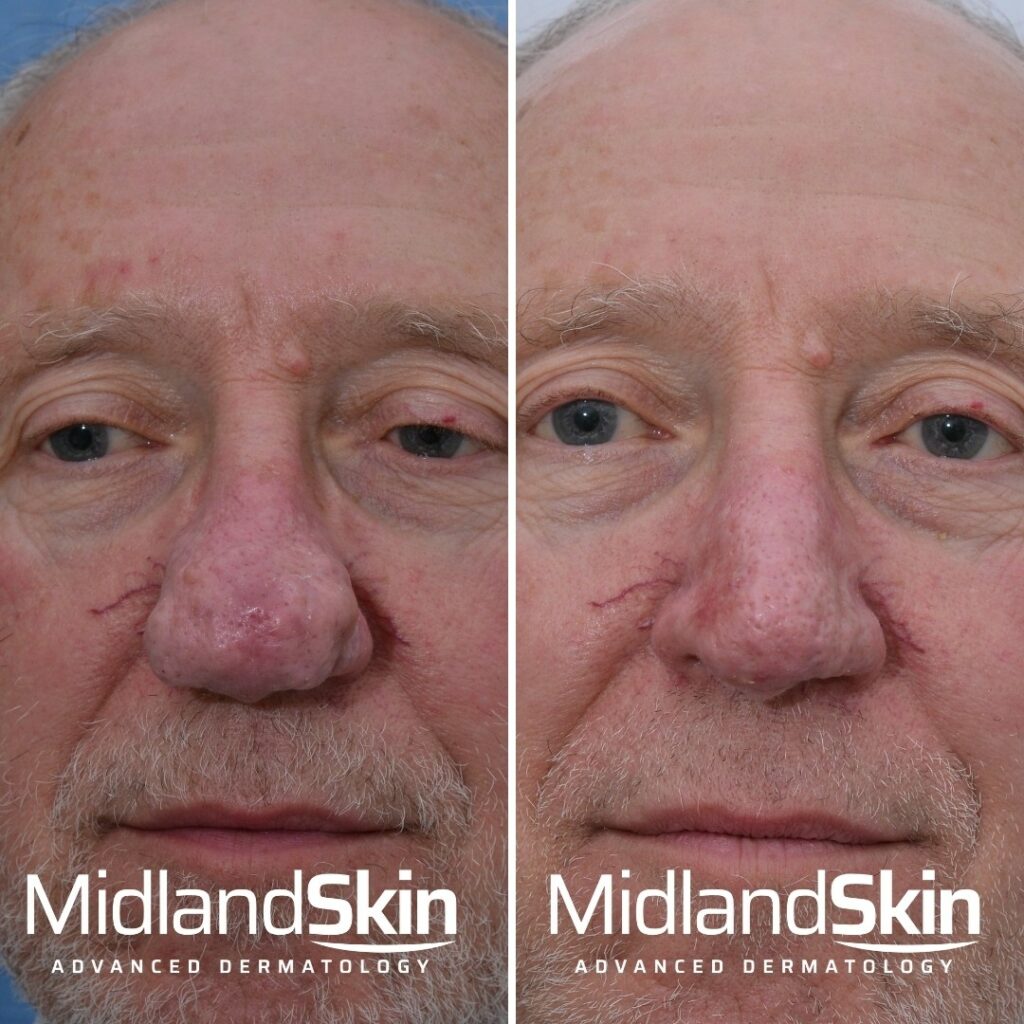
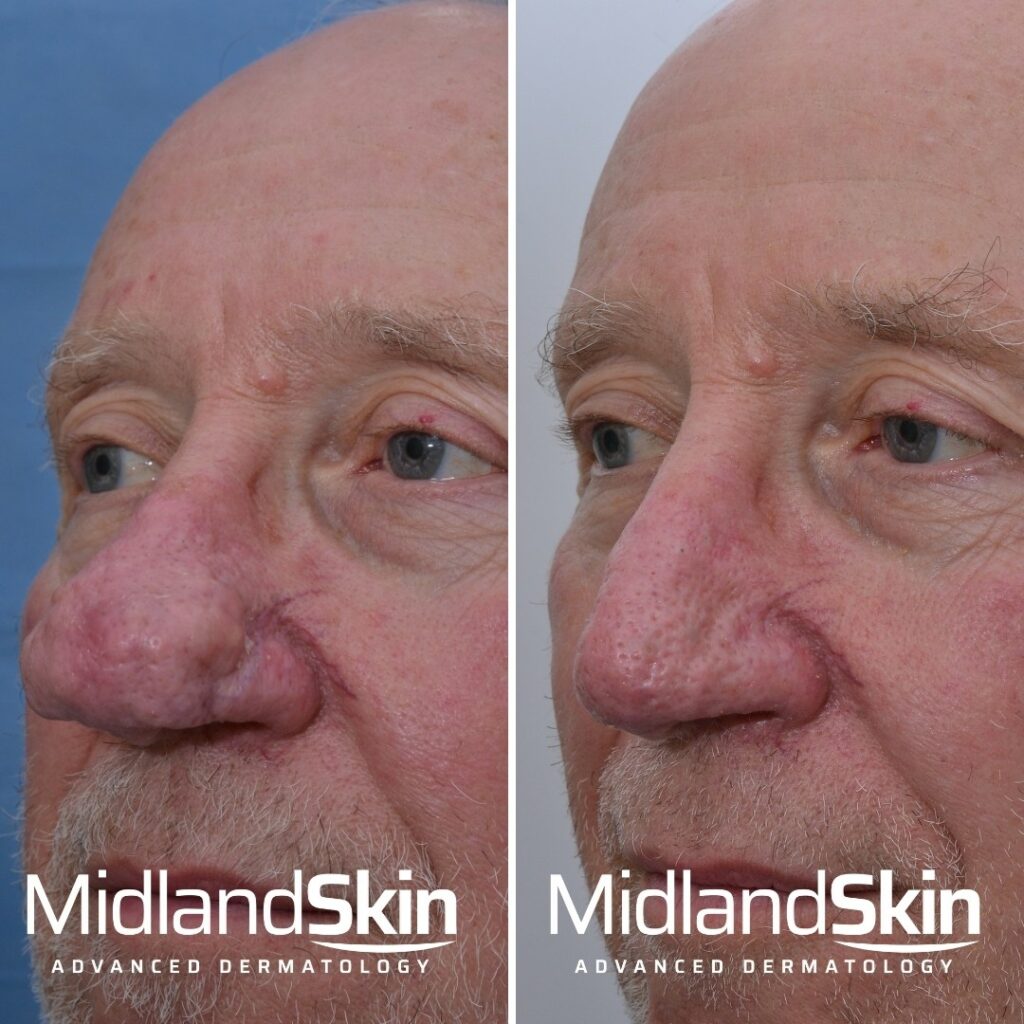
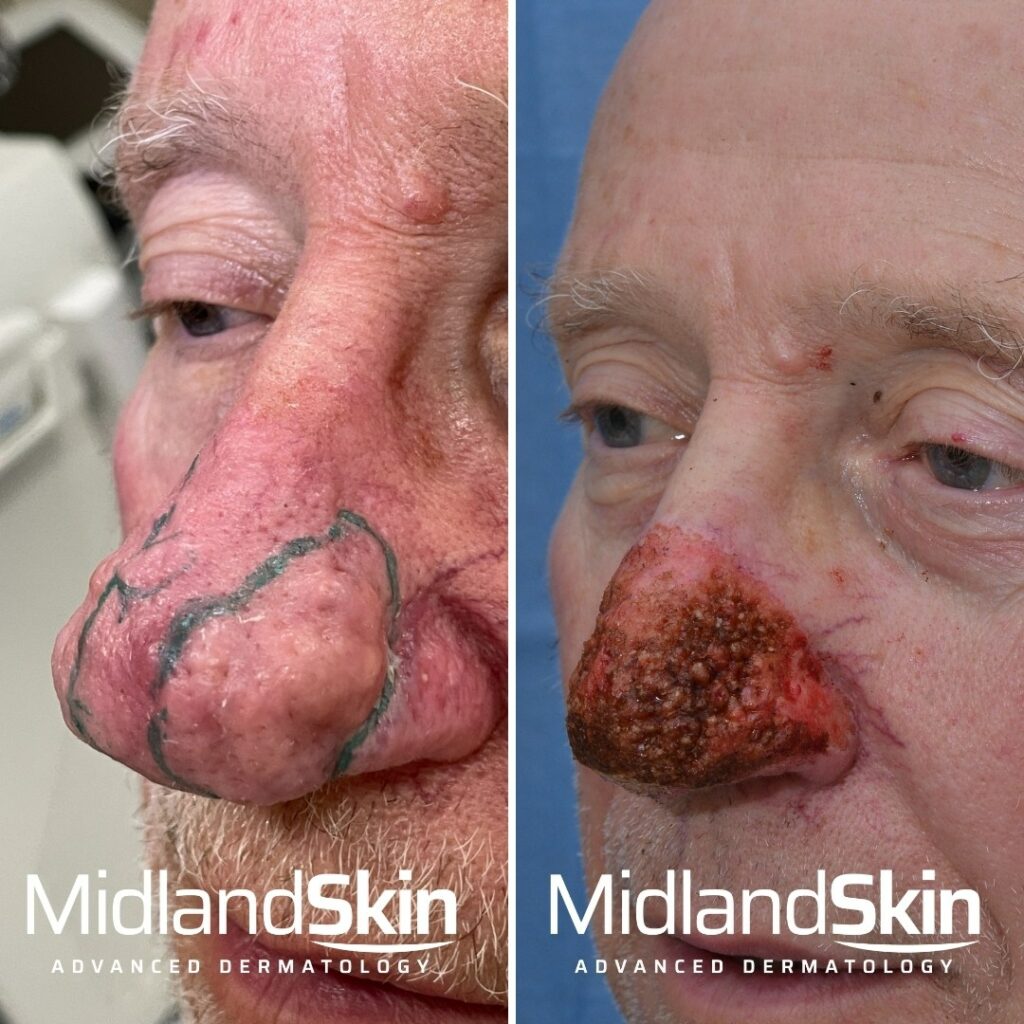
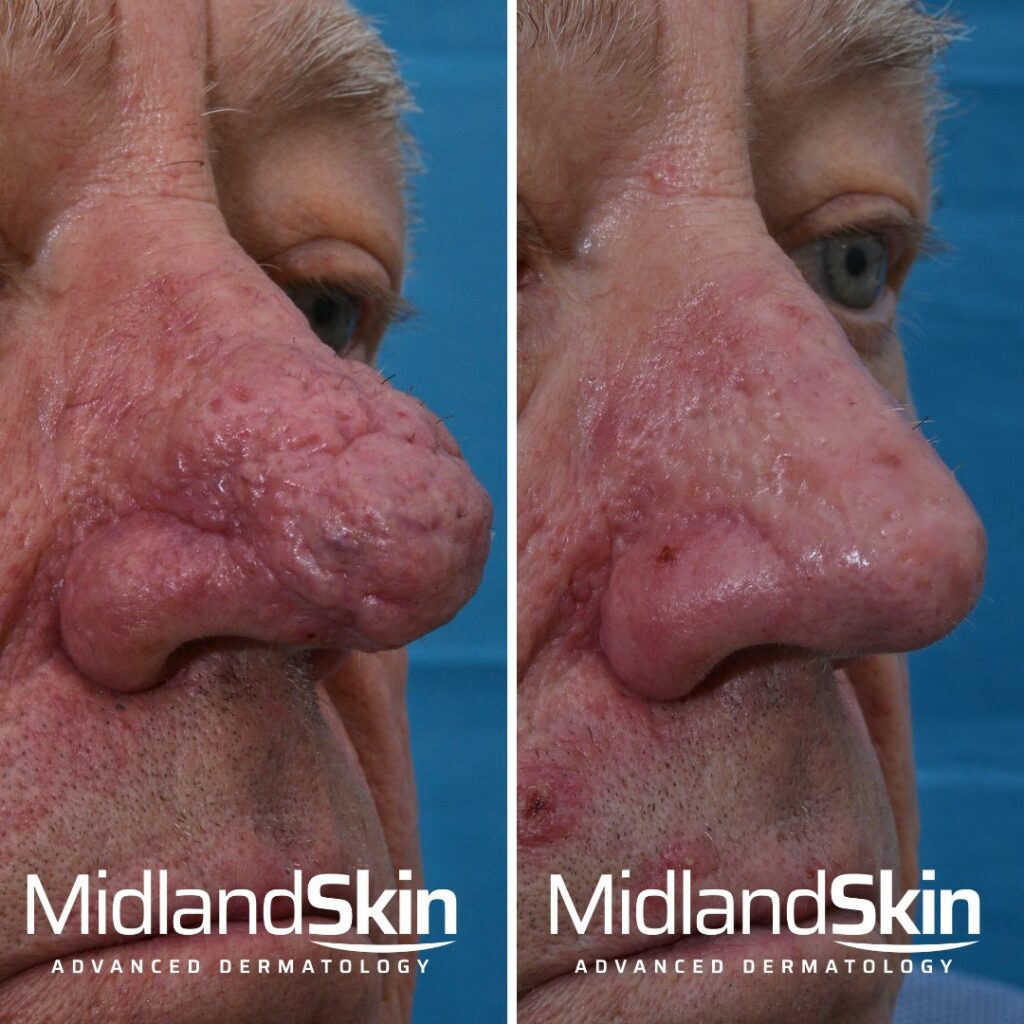
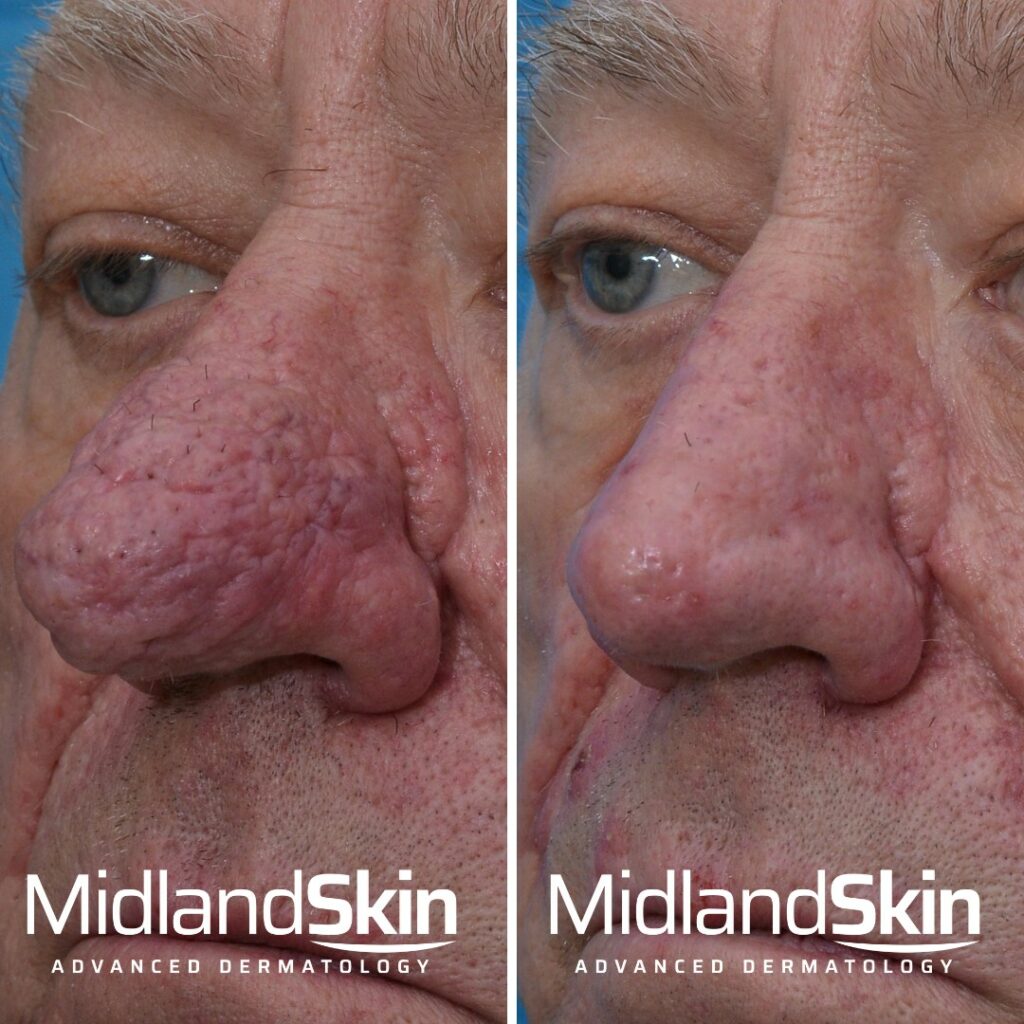
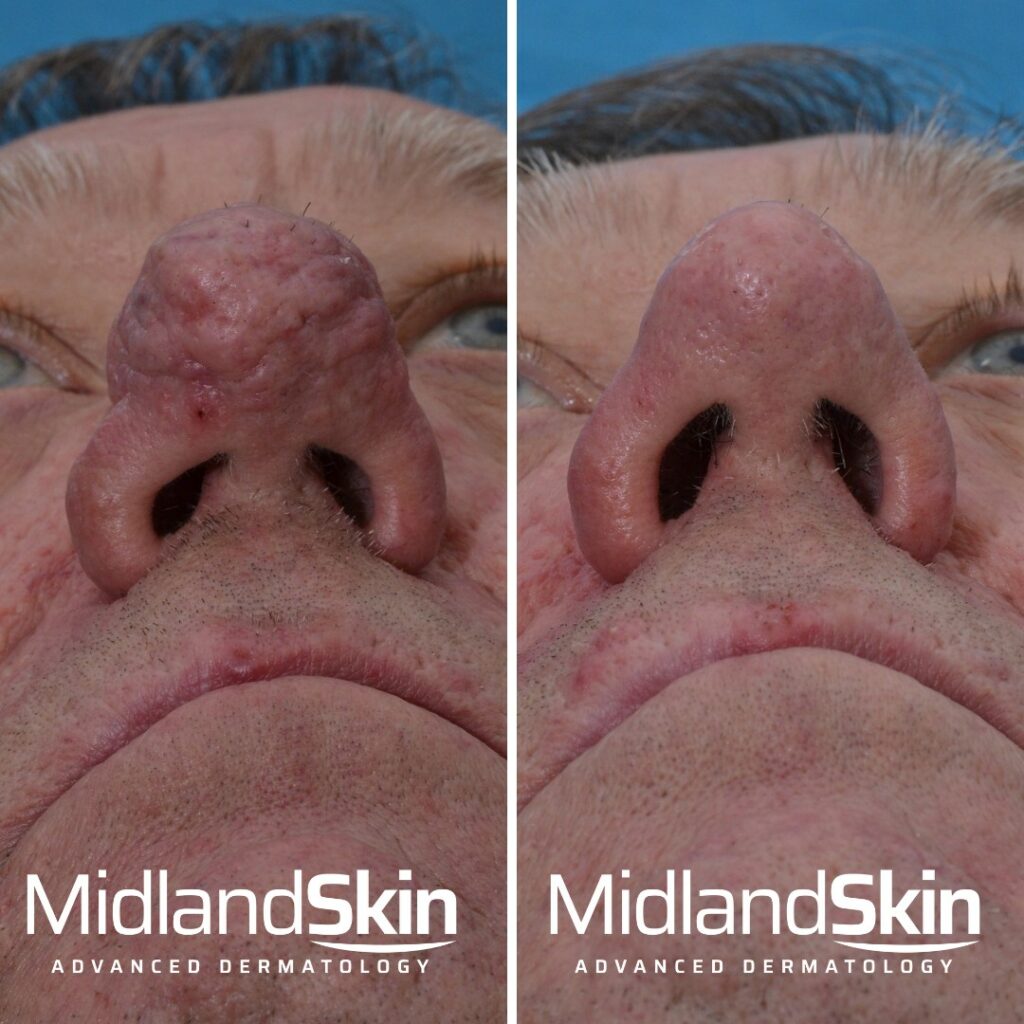
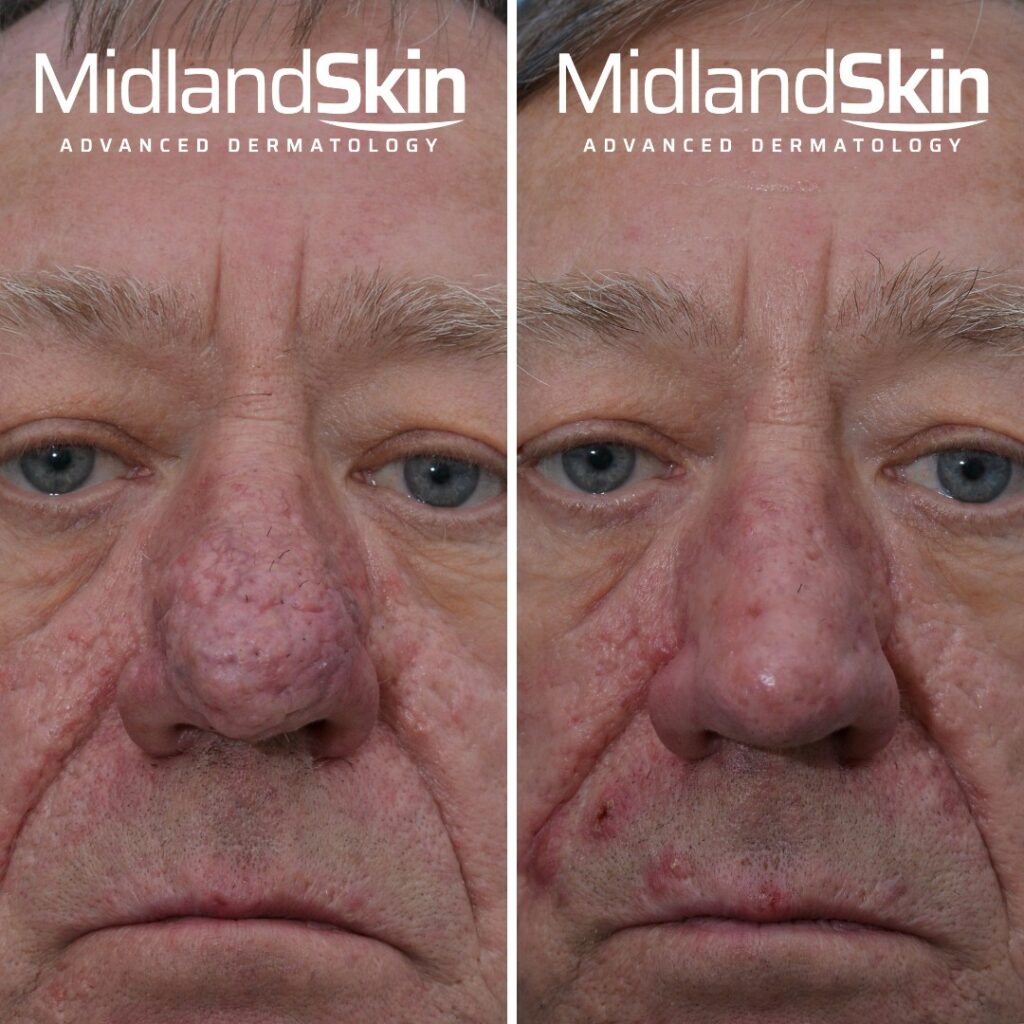
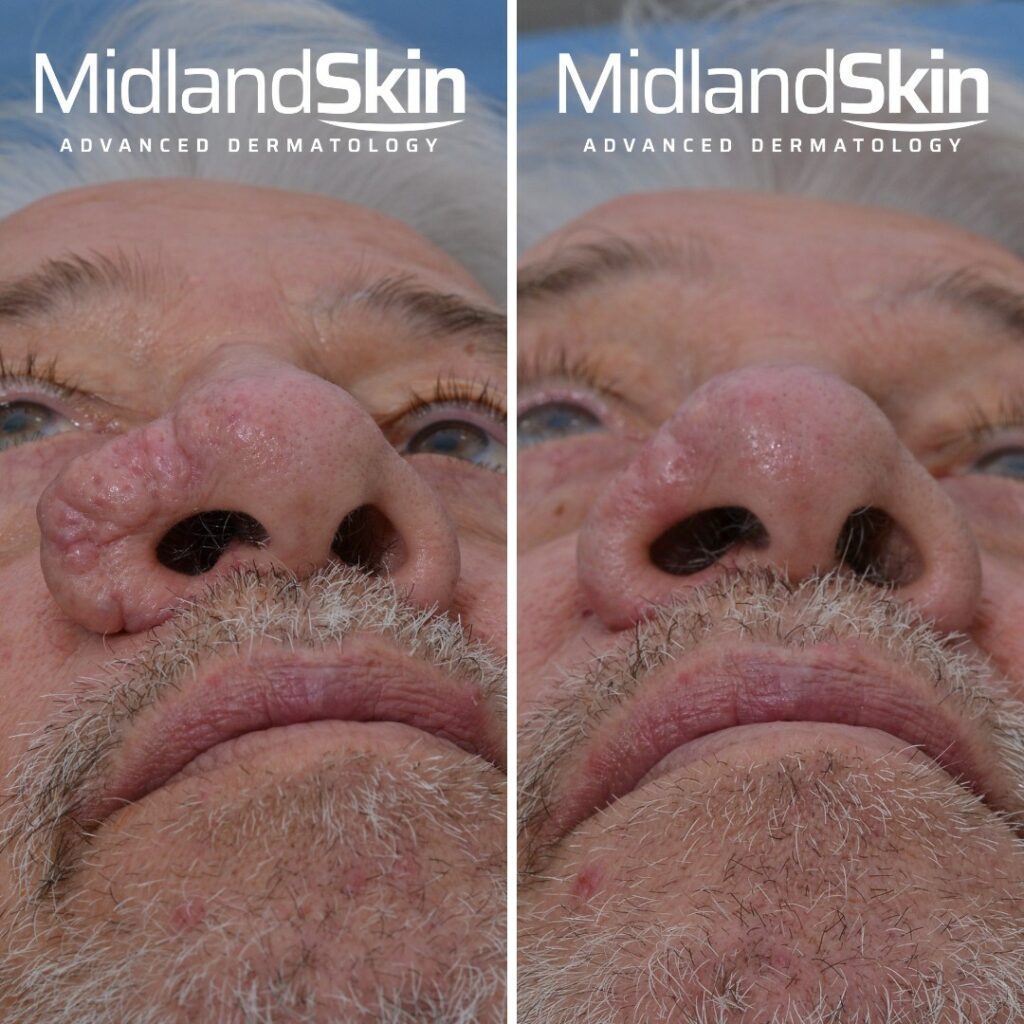
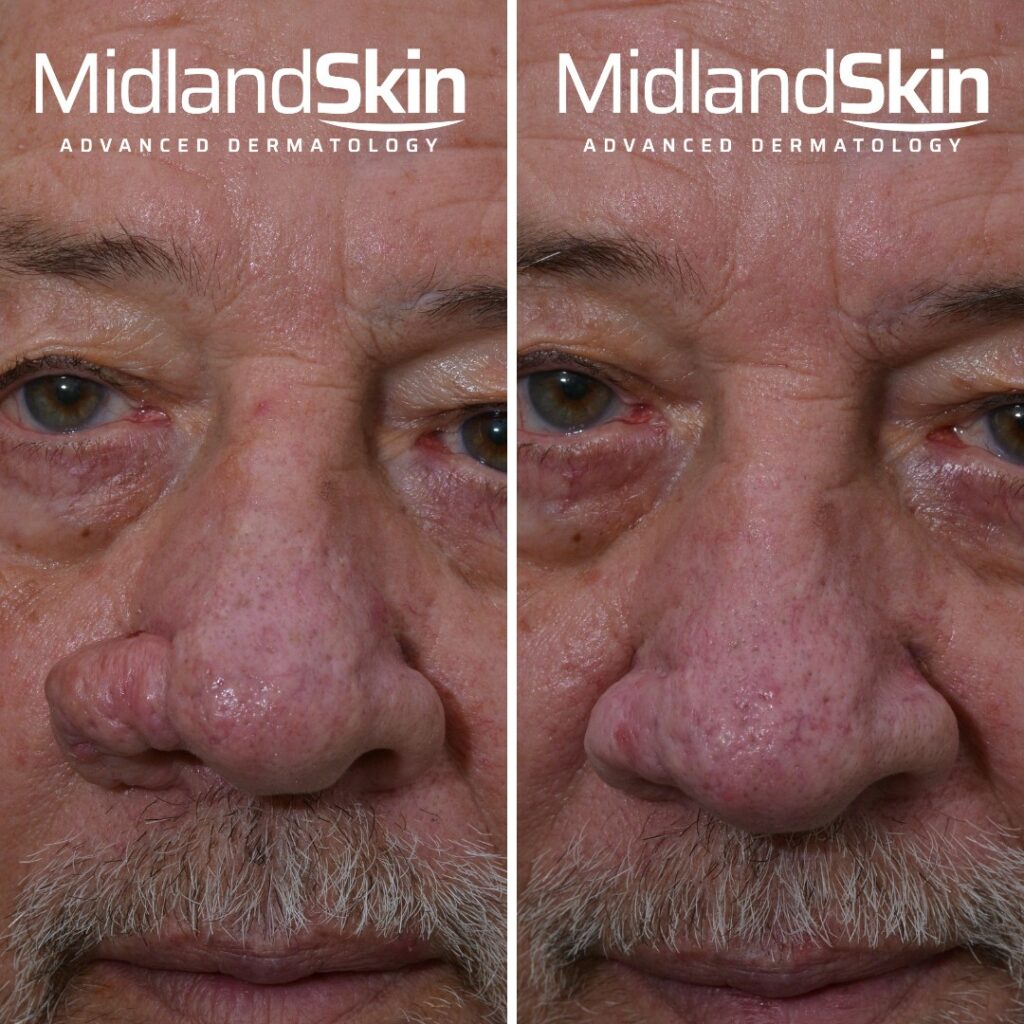
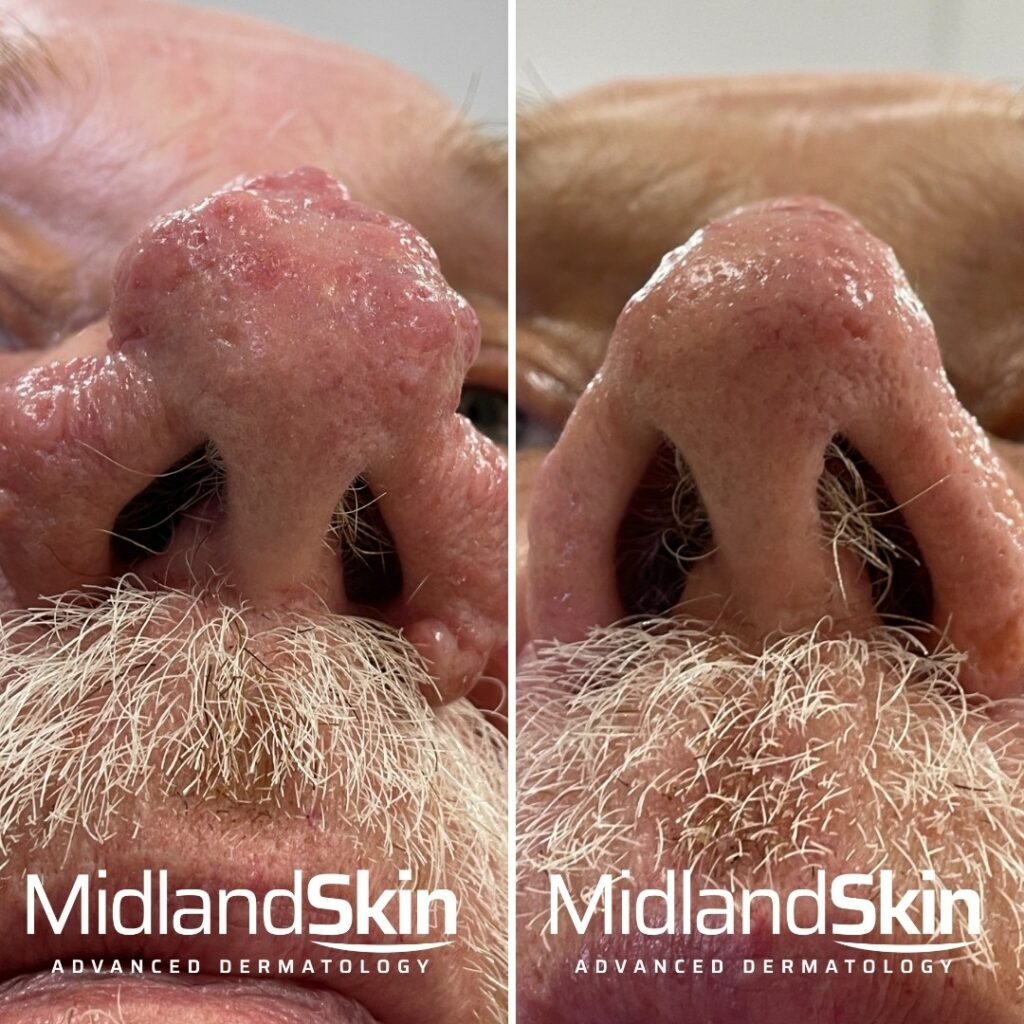
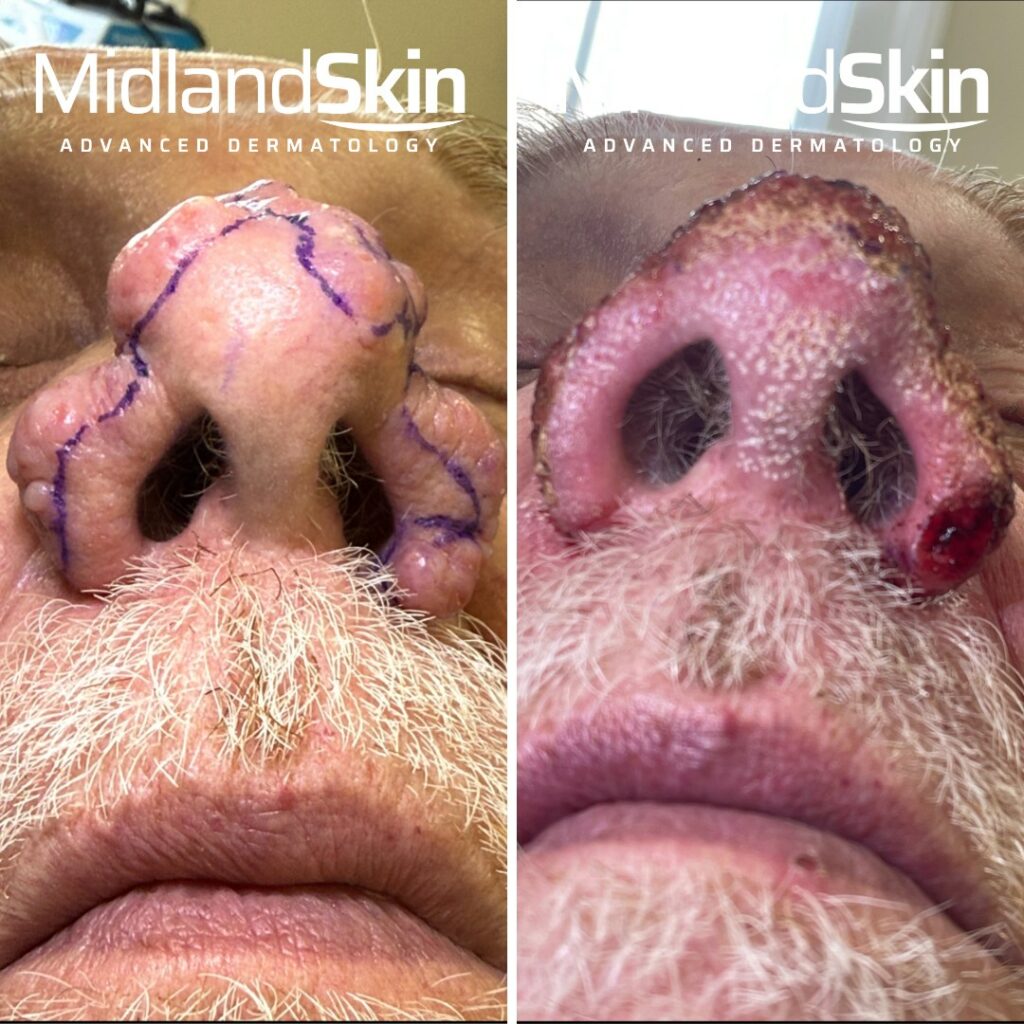
Rhinophyma treatment videos
Rhinophyma treatment at Midland Skin
CO2 laser for rhinophyma
CO2 laser for rhinophyma (2)
Why CO₂ and Erbium laser surgery is used for rhinophyma
Ablative CO₂ laser, sometimes combined with Erbium YAG,surgery is the treatment of choice for moderate and severe rhinophyma. The advantages are:
- Precise, layer-by-layer removal of thickened sebaceous and fibrous tissue, sculpting the nose with minimal damage to the surrounding skin
- The laser’s coagulative effect markedly reduces intraoperative bleeding, making the procedure safer and cleaner than scalpel debulking or dermabrasion
- Shorter downtime compared with traditional surgical excision and skin grafting; re-epithelialisation typically completes within 10 to 14 days
- Lower risk of visible scarring compared with cold-steel surgery
- Long-lasting results, with low recurrence rates reported in published case series
- Functional improvement: in patients with severe rhinophyma and nasal airflow obstruction, debulking can ease nasal breathing as well as restore appearance

Mike Poole

Who is rhinophyma laser treatment suitable for
CO₂ laser surgery is suitable for patients who:
- Have moderate to severe rhinophyma with thickened, lumpy or distorted nasal skin
- have noticed nasal disfigurement, asymmetry, or bulbous changes to the tip and alae of the nose
- experience nasal obstruction or restricted airflow secondary to skin thickening
- are in good general health and have realistic expectations about the outcome
- have any underlying inflammatory rosacea sufficiently controlled or being actively treated
CO₂ laser ablation is most predictable in fair skin types (Fitzpatrick skin types I to III), where the published risk of hypopigmentation is low. In darker skin types (Fitzpatrick IV to VI), treatment is still possible but requires conservative settings and a discussion of pigmentary risk. We will not recommend treatment if we judge the pigmentary risk to outweigh the benefit.
Book in with us
Ready to get started? Book a consultation with our team at Midland Skin. Friendly, expert advice tailored to you.
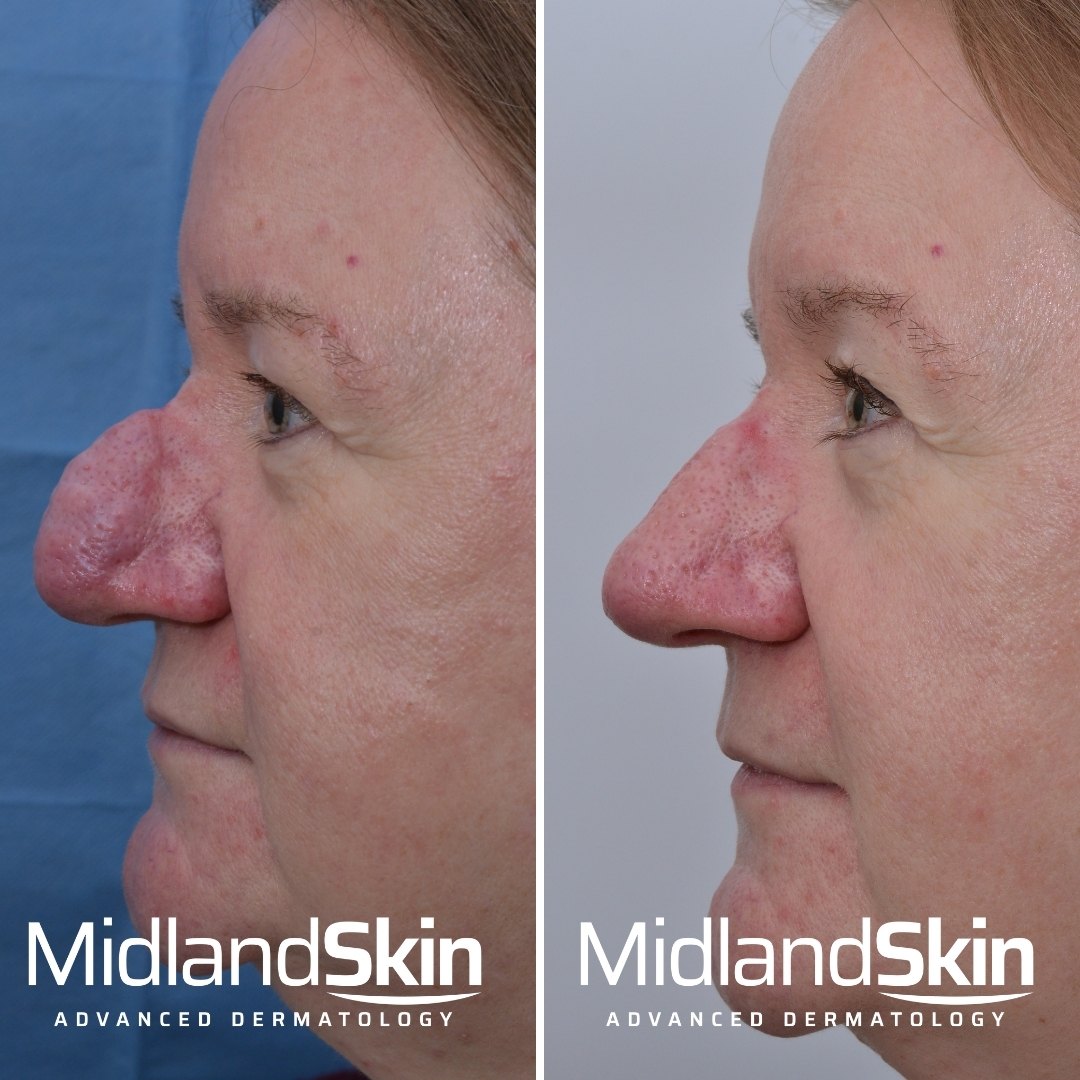
Rhinophyma in women
It is frequently published that rhinophyma is rare in women. However, our own clinical experience is that rhinophyma is not uncommon in women. Women may have more degrees of early rhinophyma and it is also not uncommon for women who have rhinophyma to also have a history of acne.
The treatment for rhinophyma in women is the same as it is for men.
Treatment Pathway for Rhinophyma
Initial Assessment
You meet your Consultant Dermatologist to confirm the diagnosis, exclude conditions that mimic rhinophyma, assess severity, and discuss whether laser surgery is the right treatment for you. Photographs are taken.
CO₂ laser session
The procedure is performed in our laser theatre under local anaesthetic at a future date. The thickened tissue is debulked with the CO₂ laser, and the contour refined with CO₂ and sometimes with Erbium YAG laser. Most cases take 60 to 90 minutes.
Review and optional second stage
A review at around three months assesses the result. In some moderate-to-severe cases a second stage of laser refinement is recommended for further balance.
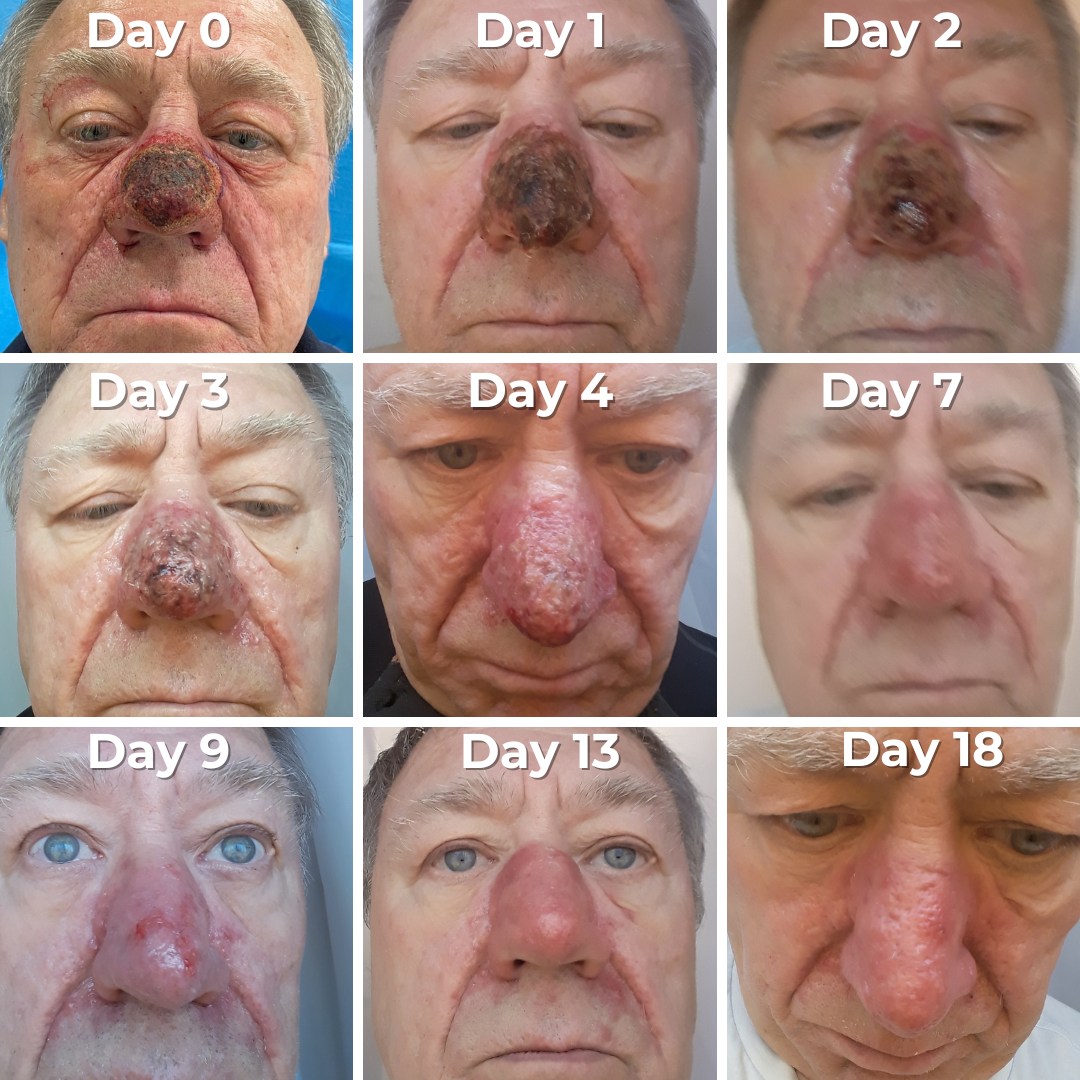
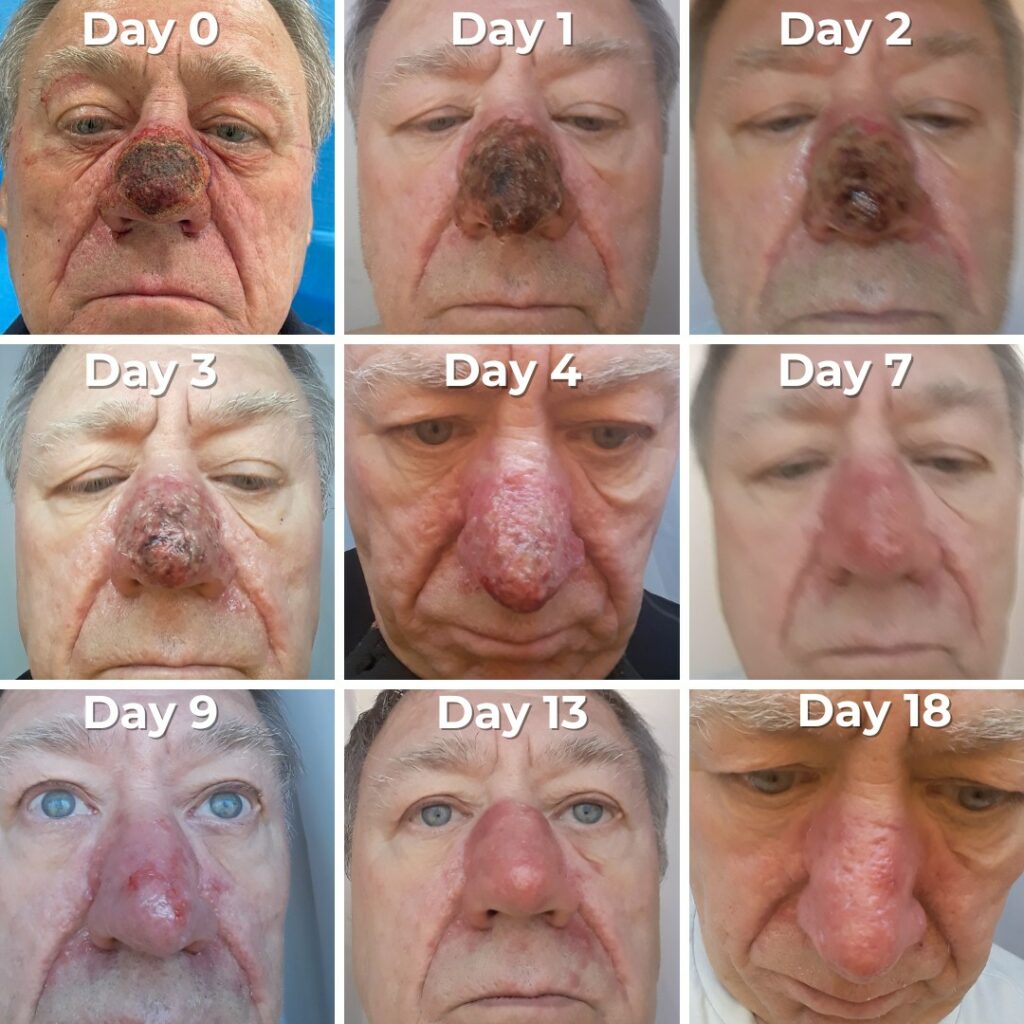
Rhinophyma laser healing: day-by-day guide.
The nose passes through a sequence which is mostly resolved by around day 14-16:
- Days 1 to 3: there is a scab following laser treatment along with swelling, oozing and tenderness. Ointment is applied generously to keep the surface moist
- Days 4 to 7: scab usually slowly softens; swelling settles; cleansing twice daily and reapplication of ointment is required
- Days 8 to 13: crusts separate to reveal pink new skin; most patients no longer need dressings; the reshaped contour is clearly visible
- From day 14 onwards: the skin is intact but pink; this fades gradually over weeks to months
Risks of rhinophyma laser treatment
CO₂ and Erbium laser surgery for rhinophyma is well established and generally well tolerated. Risks include:
- Prolonged redness, usually settling within three months (can be longer)
- Hypopigmentation (lightening) and demarcation lines, more likely with deeper ablation and in older patients (approximately 9% in published series)
- Textural changes, scar formation, indentations in approximately 2% of cases
- Asymmetry requiring second session
- Infection
- Delayed healing
- Pores may look wider, and skin may become greasier once pores have been opened up
- Recurrence of rhinophyma over time, particularly if underlying rosacea is poorly controlled
- in Fitzpatrick IV to VI skin, an additional risk of post-inflammatory hyperpigmentation
Before treatment FAQs
Do you treat rhinophyma that has previously been treated elsewhere and recurred?
Yes – we treat both primary rhinophyma, and recurrent rhinophyma in those who may have had previous laser or surgical treatment.
How many sessions will I need, and how far apart?
Most patients are treated in a single CO₂ laser session. A second stage is requested in approximately one in ten cases where further refinement of contour is required, usually scheduled around six or more months after the first session once healing is complete.
Will I need a biopsy first?
Not in most cases. The diagnosis is usually made clinically. We will recommend a biopsy if there is any area within the rhinophyma that looks atypical, ulcerated, or suspicious for skin cancer. Basal cell carcinoma can occasionally hide within rhinophymatous tissue, and we take this seriously.
Will you be able to help manage active rosacea too?
Yes, if we find that you have active rosacea we will provide you treatment for this as well, leading up to your treatment.
Is treatment available on the NHS or covered by private medical insurance?
NHS funding for rhinophyma is restricted and is generally only considered where there is functional nasal airway obstruction. Private medical insurance does not cover rhinophyma laser treatment, as it is classified as a cosmetic indication in most policies. Self-funded treatment is the usual route. Our fees are listed below.
On the day FAQs
What should I bring and wear on the day?
Please wear comfortable, loose-fitting clothing, ideally a top that buttons or zips at the front rather than pulls over the head, so you can dress easily afterwards.
Bring some headphones with you if you would like to listen to your favourite music or a podcast during the procedure.
Do not wear any make-up or facial skin care products. Please eat a normal breakfast or light lunch before you arrive. There is no need to fast.
Will the procedure hurt?
The nose is fully numbed with local anaesthetic injections before any laser is used. The injections themselves sting briefly, after which the procedure is painless. You remain awake throughout; a general anaesthetic is not required.
How long does the treatment take?
Most CO₂ and Erbium laser sessions for moderate-to-severe rhinophyma take 60 to 90 minutes, including anaesthesia and dressing. Larger or more distorted noses may take a little longer.
Will I bleed a lot?
No. The coagulative effect of the CO₂ laser controls bleeding as the tissue is ablated. Some minor oozing is normal and is managed during the procedure.
What will my nose look like immediately after?
ma
Can I drive home?
We ask you not to drive home on the day of the procedure. Local anaesthetic around the nose can cause temporary swelling and watering of the eyes, and the dressing can affect peripheral vision. Please arrange for someone to collect you or take a taxi.
Aftercare and recovery FAQs
When can I go back to work and be seen in public?
Most patients take 14 days off work (often 21 to be on the safe side). Desk-based work from home can usually resume within a few days if you are comfortable. Public-facing roles are best resumed once the crusting has separated, typically from around day 14, after which residual pink discolouration can be lightly concealed if desired. Anti redness camouflage products can be worn at this stage.
When can I wear make-up or glasses again?
Make-up can be applied on the treated area once the skin has fully re-epithelialised, usually from around day 14. Glasses can be worn earlier but should not rest heavily on freshly healed skin; we may suggest padding the nose bridge for the first two to three weeks.
How long will the redness last?
A pink hue is normal after ablative laser and fades over several months. In most patients it is no longer noticeable by around three months. Sun protection during this period is essential to prevent prolonged discolouration.
Will I be left with a scar?
The aim of CO₂ and Erbium laser surgery is to remove the thickened tissue while leaving the skin able to heal smoothly. Visible scarring is uncommon, but any ablative treatment carries some risk of textural change.
Will my nose go pale or lose its colour?
Hypopigmentation is the most consistently reported risk in published series, affecting around 9% of patients in the largest recent cohort. It is more likely with deeper ablation and tends to develop up to six months after treatment.
When will I see the final result?
The reshaped contour is visible immediately and continues to improve as swelling resolves over the first month. The skin colour matures over three to six months. The final result is best judged at three to six months.
Will the rhinophyma come back?
Recurrence is uncommon in published case series when the underlying rosacea is well controlled. The risk is reduced by ongoing rosacea management — daily sunscreen, trigger avoidance, topical or oral therapy where indicated, and in selected cases maintenance 1726 nm sebaceous gland laser. Where recurrence does occur, repeat CO₂ laser treatment is straightforward and effective.
Ashley Cooper
Why choose Midland Skin for rhinophyma treatment?
Midland Skin is a CQC-registered dermatology, skin surgery and laser clinic in Edgbaston, Birmingham. Our rhinophyma service is led by Consultant Dermatologists with specialist training in ablative laser surgery, supported by an experienced laser-trained nursing team.
We use combined CO₂ and Erbium YAG laser platforms, allowing both debulking and fine contour refinement in the same session. We take a patient-centred approach, with honest assessment, realistic expectations, and clear written aftercare.
Fees for rhinophyma treatment
Rhinophyma Show pricing
Book ConsultationInitial dermatology assessment
Rhinophyma – laser reduction + follow up consultation
References used for this article
- Madan V, Ferguson JE, August PJ. Carbon dioxide laser treatment of rhinophyma: a review of 124 patients. Br J Dermatol. 2009;161(4):814–818. doi:10.1111/j.1365-2133.2009.09317.x.
- Olafsdottir B, Jebril W, Curman P, Bachar-Wikström E, Wikström JD. Long-term satisfaction with CO₂ laser treatment for moderate to major rhinophyma: a single-centre study. Acta Derm Venereol. 2025;105:adv41335. doi:10.2340/actadv.v105.41335.
- Barolet AC, Barolet D. Fully ablative CO₂ laser therapy for rhinophyma: long-term efficacy, safety and insights from an artificial intelligence-assisted predictive model in a large cohort. Skin Health Dis. 2025;5(5):357–367. doi:10.1093/skinhd/vzaf042.
- Noyman Y, et al. Efficacy and safety of non-fractional ablative carbon dioxide laser resurfacing for the treatment of rhinophyma — a retrospective cohort and questionnaires-based study. Lasers Med Sci. 2025;40(1):261. doi:10.1007/s10103-025-04442-7.
- British Association of Dermatologists. Rhinophyma — patient information leaflet. Available at: bad.org.uk/pils/rhinophyma.
About the Author
This page has been written and/or medically reviewed by Dr Sajjad Rajpar, Consultant Dermatologist and Medical Director of Midland Skin, Birmingham.
Dr Rajpar is on the GMC Specialist Register in Dermatology and has over 20 years’ experience in clinical dermatology. He provides clinical oversight to ensure the information on this page is accurate, balanced and consistent with current dermatology practice.
Dr Sajjad Rajpar
Date last updated: 22nd Jun 2026
Book in with us
Expert, consultant led care in dermatology, skin surgery, eyelid surgery, lasers and aesthetics.
Disclaimer
The content on this website is provided for general information only. It is not, and must not be treated as, medical advice, a diagnosis, or a recommendation for any particular treatment. We make reasonable efforts to keep information accurate and up to date, but medicine and technology change, and content may not reflect the most current evidence, guidance, product information, or individual practice. You should not rely on this website to make decisions about your health or treatment. Always seek personalised advice from an appropriately qualified healthcare professional. Any examples, images, testimonials, and outcome descriptions are illustrative only. Results vary between individuals and no outcome can be guaranteed.


